Signal for Opportunity: A Clear Guide to Getting a Free Government Phone
How low-income households in the US can qualify for a no-cost phone and service plan: eligibility routes, documents, applying, recertifying and avoiding scams.
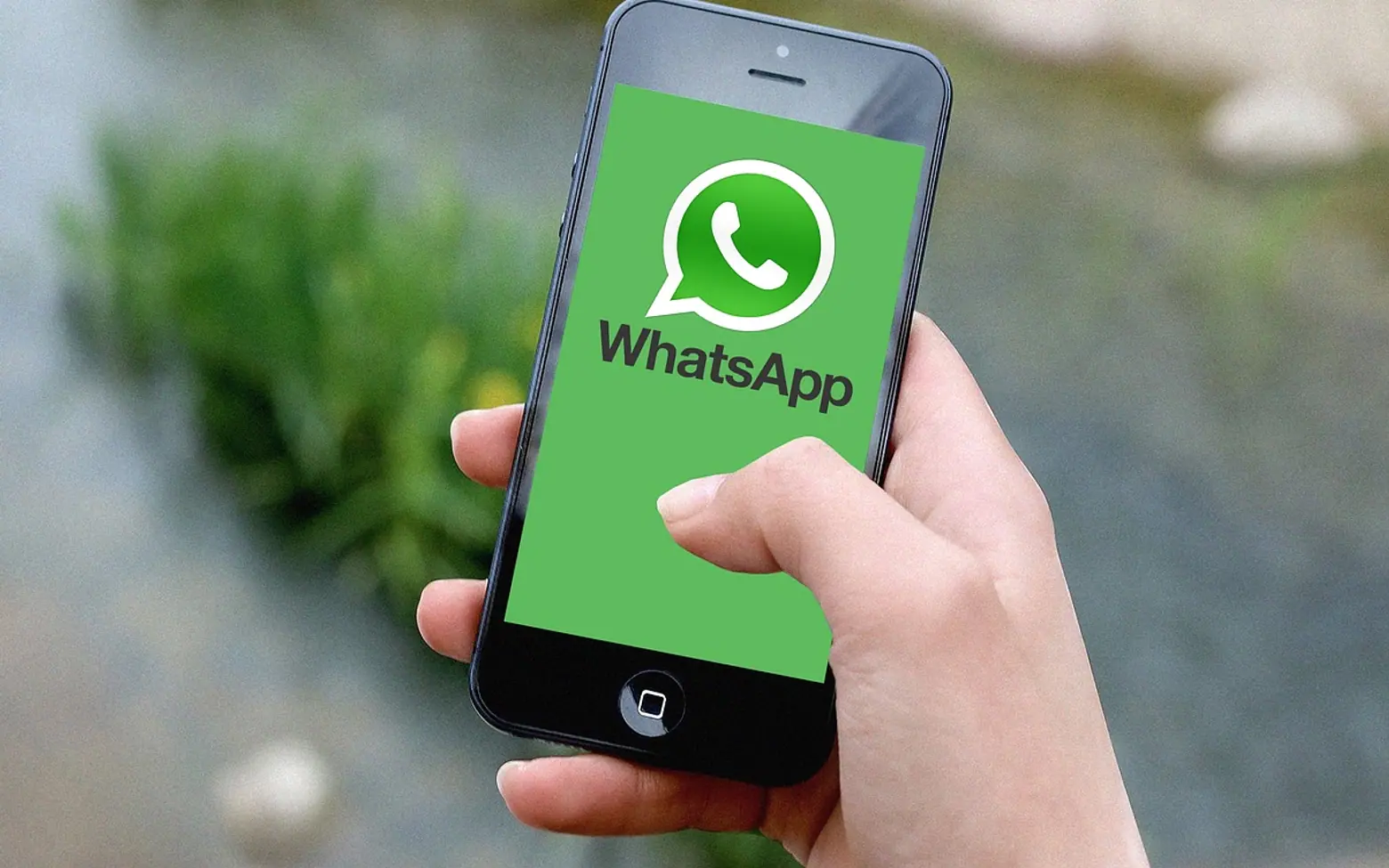
A phone number has quietly become a requirement for daily life. Job applications ask for one, banks send security codes to it, clinics confirm appointments by text and schools use it for alerts. For a household watching every dollar, the monthly bill for a phone can be hard to justify, which is exactly the gap that government-supported phone programmes are meant to close.
What the benefit usually covers
In the United States, the federal Lifeline programme supports discounted or free phone and internet service for eligible low-income households, and participating carriers deliver the service. Depending on the provider and the state, a free government phone offer can include a basic smartphone along with a monthly allowance of talk, text and data, which makes it a practical way for many families to stay reachable without adding another bill.
Plans differ, so compare what each participating carrier includes in your area. Some offer more data, some a better handset, and coverage quality varies by location.
Who tends to qualify
Eligibility generally follows one of two routes:
- Income. Households below a set income threshold, which is tied to federal poverty guidelines and can vary by household size and state.
- Programme participation. Households that already receive certain benefits, such as food assistance, Medicaid, federal housing assistance or some veterans' and tribal programmes.
Usually only one benefit is allowed per household, meaning per group of people who share income and expenses at an address, not per person.
Documents to have ready
- a government-issued photo ID
- proof of address, such as a utility bill or lease
- proof of eligibility, like a benefits award letter or recent tax return
- the last digits of your Social Security number or another accepted identifier, entered only on the official application or with a recognised carrier
Clear photos or copies of these documents speed up review and reduce the chance of a request for more information.
Applying and keeping the benefit
Applications can typically be made online, by mail or with the help of a participating carrier. After approval, the provider ships a device or activates service on a compatible phone you already own. Keep the confirmation details somewhere safe.
The benefit is not permanent by default. Households must recertify their eligibility each year, and missing that deadline can end service. Many people also need to use the service regularly; long stretches without any calls, texts or data can lead to deactivation under programme rules. Update your provider promptly if you move.
Staying clear of trouble
Legitimate programmes never ask for payment to apply. Be cautious with unsolicited calls or door-to-door offers that request card details or pressure you to sign immediately. If something feels off, contact the carrier or the official programme support line directly using contact details you looked up yourself.
Handled with a little preparation, the process is manageable, and a working phone can make a real difference to finding work, keeping appointments and staying connected with family.
Worth a second look
 EducationHTML vs CSS: What Each One Does on a Web Page4 min
 Real EstateMortgages in Australia Explained: Complete Breakdown for First-Time Homebuyers3 min
 NewsPlanning a Day Trip from Boston: Best Nearby Cities and How to Build an Efficient Route3 min
 EducationWhat Is Pseudocode? How to Write It, With Simple Examples4 min