Gadgets3 min read
Mechanical Keyboard vs Membrane: Which Suits the Way You Type?
Mechanical and membrane keyboards feel, sound and wear differently. How each works, what switch types mean and how to choose for coding, office work or gaming.
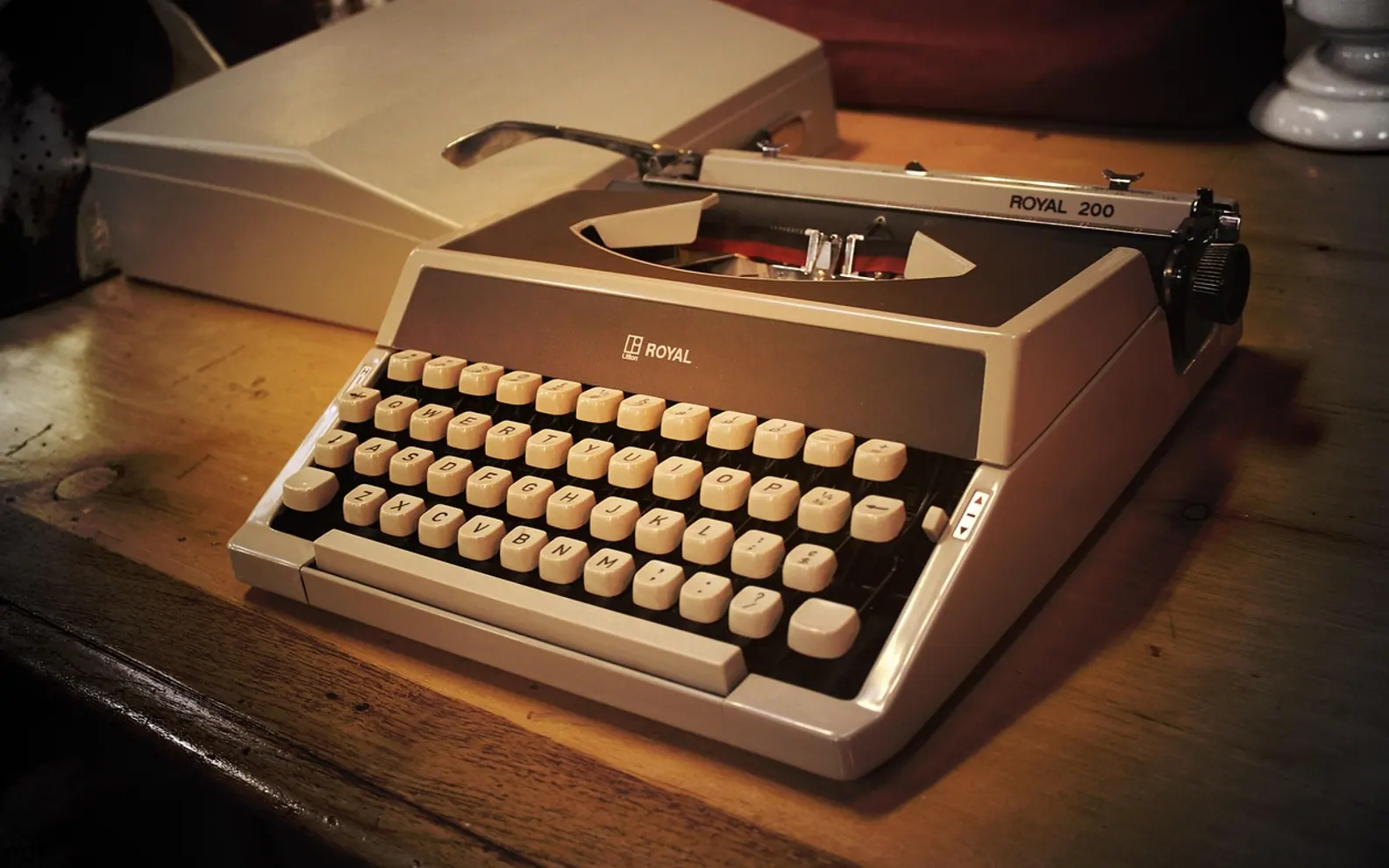
For anyone who writes code, reports or long messages, the keyboard is the gadget they touch more than any other. Yet many people never think about it until a key starts sticking. Shop for a replacement and you quickly run into the big divide: mechanical keyboards on one side, membrane keyboards on the other. Both can be excellent. They simply suit different people and different desks.
How a membrane keyboard works
Under the keys of a membrane keyboard sit thin, flexible layers with printed circuits and a sheet of small rubber domes. When you press a key, its dome collapses and pushes the layers together, closing a contact and registering the keystroke. Most laptop keyboards and many budget desktop models use a version of this idea, sometimes with a scissor mechanism to keep the keys stable.
The result is a soft, quiet press with a fairly uniform feel. Membrane boards are usually light, slim and inexpensive, and their sealed layers can cope better with a small spill than an open design.
How a mechanical keyboard works
A mechanical keyboard gives every key its own switch: a small housing with a spring and metal contacts. Pressing the key moves a stem that closes the contact at a certain point in its travel. Because each switch is independent, the feel is consistent across the board and individual switches can often be replaced. On many models, so can the keycaps, which has created a whole hobby of custom keyboards.
The three broad switch families
- Linear: smooth all the way down, with no bump. Often liked by gamers who press keys rapidly.
- Tactile: a noticeable bump when the key registers, so you can feel the actuation without bottoming out.
- Clicky: a bump plus an audible click. Satisfying for some typists, distracting for everyone else in the room.
Manufacturers use their own colour names for switches, and the same colour can feel different from one brand to another. If you can, try a switch tester or a display model before buying.
Side-by-side comparison
| Aspect | Membrane | Mechanical |
|---|---|---|
| Feel | Soft, cushioned, uniform | Crisp; linear, tactile or clicky |
| Noise | Generally quiet | From fairly quiet to loud, depending on switch |
| Price | Usually lower | Usually higher |
| Repairs | Often replaced as a whole | Switches and keycaps can often be swapped |
| Weight and size | Light and slim | Heavier, often taller |
| Spills | Sealed layers can help | Open switches are more exposed |
Which one for which person?
Programmers and writers
People who type for hours often appreciate a tactile mechanical switch, because the bump confirms each key press without forcing them to hammer every key to the bottom. Others find a good low-profile membrane board just as comfortable, especially if they switch between a laptop and a desk all day and want the feel to match.
Shared offices and late-night typing
If colleagues, family or a sleeping partner are nearby, noise matters. A membrane keyboard or a mechanical one with quiet linear switches is the considerate choice. Clicky switches are best kept for rooms where nobody else has to listen.
Gaming
Many gamers prefer mechanical boards for their consistent actuation and durability, but a well-made membrane keyboard will not hold a casual player back. Features such as anti-ghosting, which registers several keys pressed at once, matter as much as the switch type.
Students and travellers
A slim membrane board is easy to carry and affordable to replace. When choosing a device for a younger user, the guidance in How to Choose the Best Laptop for Your Child about durability and comfort applies to keyboards too.
Comfort comes from the whole desk
No keyboard fixes a poorly arranged workspace. Keep your wrists fairly straight, your shoulders relaxed and the keyboard at a height where your forearms rest comfortably. Some people find a smaller layout without a number pad brings the mouse closer and feels more natural. If typing causes ongoing discomfort, it is worth talking to a health professional rather than relying on a new gadget alone. For the rest of the setup, see our guide to a monitor setup for programming.
The bottom line
Choose membrane if you value quiet, low weight and a modest price. Choose mechanical if you want a crisp, consistent feel, the option to repair and customise, and you do not mind a bit more sound and spend. Either way, try before you buy whenever you can, because the right keyboard is the one your fingers forget about.
Worth a second look
 EducationHTML vs CSS: What Each One Does on a Web Page4 min
 Real EstateMortgages in Australia Explained: Complete Breakdown for First-Time Homebuyers3 min
 NewsPlanning a Day Trip from Boston: Best Nearby Cities and How to Build an Efficient Route3 min
 EducationWhat Is Pseudocode? How to Write It, With Simple Examples4 min