Business3 min read
10 Ways Modern Indian Payment Platforms Empower Businesses and Individuals
From QR codes at street stalls to instant settlements and spending dashboards, here are ten ways India's payment platforms help merchants and everyday users.
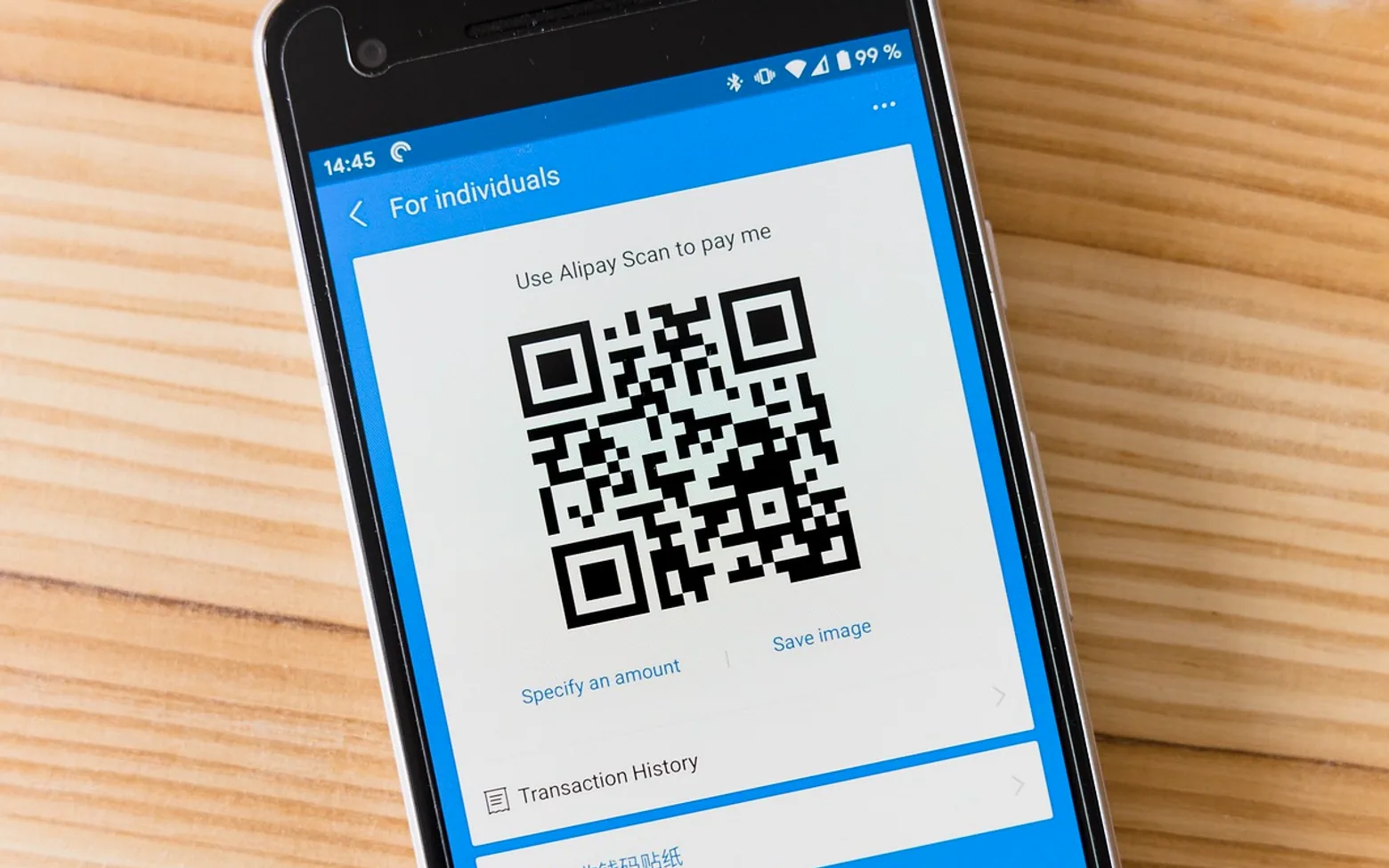
A tea seller with a laminated QR code taped to his cart and a software company billing clients abroad now rely on surprisingly similar plumbing. India built a payments layer that treats a phone number or a scannable code as a perfectly normal way to move money, and the effects reach well beyond convenience. Anyone following how 印度支付系统 have grown will recognise the pattern: tools that started as a quicker way to pay have turned into infrastructure for running a business and managing a household.
What merchants gain
- A single place to accept everything. UPI, debit and credit cards, net banking, wallets and pay-later options can sit behind one checkout or one terminal. A shop no longer has to choose which customers it can serve.
- Money arrives sooner. Many providers settle funds the same day or close to it. For a small trader, that shortens the gap between selling stock and paying the wholesaler for the next delivery.
- Online and in-store sales in one view. A brand that sells through a website, a marketplace and a physical counter can reconcile all of it from one dashboard instead of three spreadsheets.
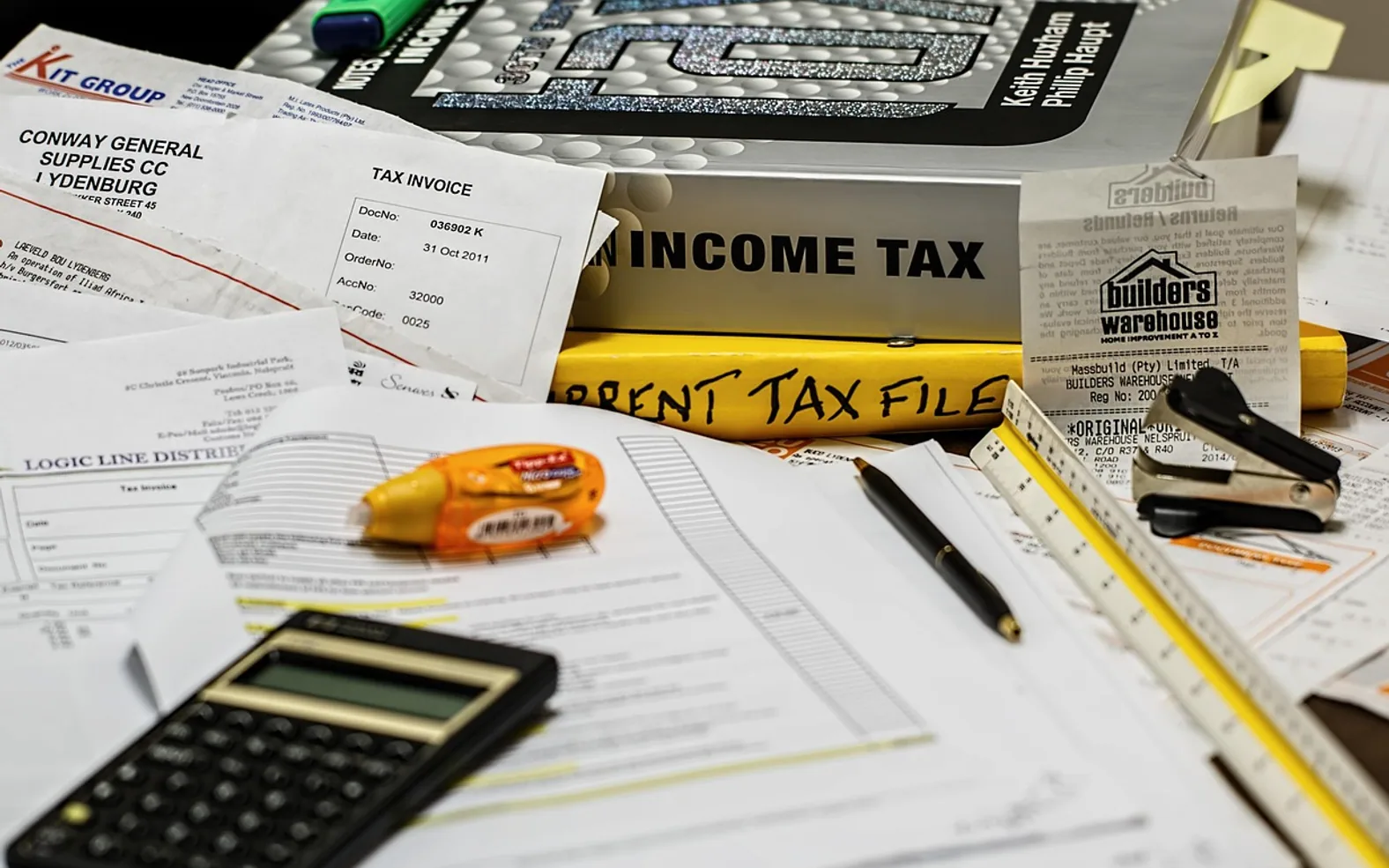
- Less paperwork at month end. Digital receipts, exportable reports and integrations with accounting software reduce the manual matching of bank statements to invoices.
- Room to sell further away. Payment links and invoices sent by message let a craftsperson in a small town take orders from buyers in other states without opening a storefront there.
What customers notice
For shoppers, the most visible change is speed. Checkout flows built for mobile screens, saved details and instant confirmation messages mean fewer abandoned purchases and fewer moments of wondering whether a payment went through.
- Payments that fit small amounts. Paying a few rupees for parking or a snack by scanning a code feels as ordinary as handing over a coin, which brings people who rarely used cards into the digital system.
- Clearer records of spending. Transaction histories inside banking and wallet apps give households a running log they can sort by month or category, a simple starting point for budgeting.
- Splitting and sharing made simple. Dividing a restaurant bill, collecting money for a group trip or sending funds to family in another city takes a few taps rather than a visit to a branch.
Wider effects on work and access
- Income for gig and freelance workers. Delivery riders, tutors and independent designers can receive payments directly and build a visible record of earnings, which can help when they later approach a lender.
- Entry points to other financial products. Platforms increasingly connect to savings, insurance and credit offers, so people meet these services where they already manage money.
Using these tools sensibly
None of this removes the need for care. Fraudsters imitate support numbers and send fake collect requests, so it helps to approve only payments you started yourself and to keep app PINs private. Pay-later and credit features can make spending feel painless, which is exactly why repayment dates deserve attention. Fees, settlement times and dispute processes differ between providers, so merchants should read the terms rather than assume they are identical.
Where a decision involves borrowing, investing or choosing a business account with long-term costs, run the decision past an adviser who is independent of the provider and can weigh your own circumstances. Used with that kind of attention, India's payment platforms give both sellers and buyers more control over how money moves through their day.
Worth a second look
 EducationHTML vs CSS: What Each One Does on a Web Page4 min
 Real EstateMortgages in Australia Explained: Complete Breakdown for First-Time Homebuyers3 min
 NewsPlanning a Day Trip from Boston: Best Nearby Cities and How to Build an Efficient Route3 min
 EducationWhat Is Pseudocode? How to Write It, With Simple Examples4 min