InnovationGadgets3 min read
Putting Prevention First: Lifeprobes Kiosk and CCS Cloud Give Patients a Voice in Their Own Care
How self-service health kiosks and a secure cloud record let people track vital signs between appointments and bring clearer questions to their doctor.
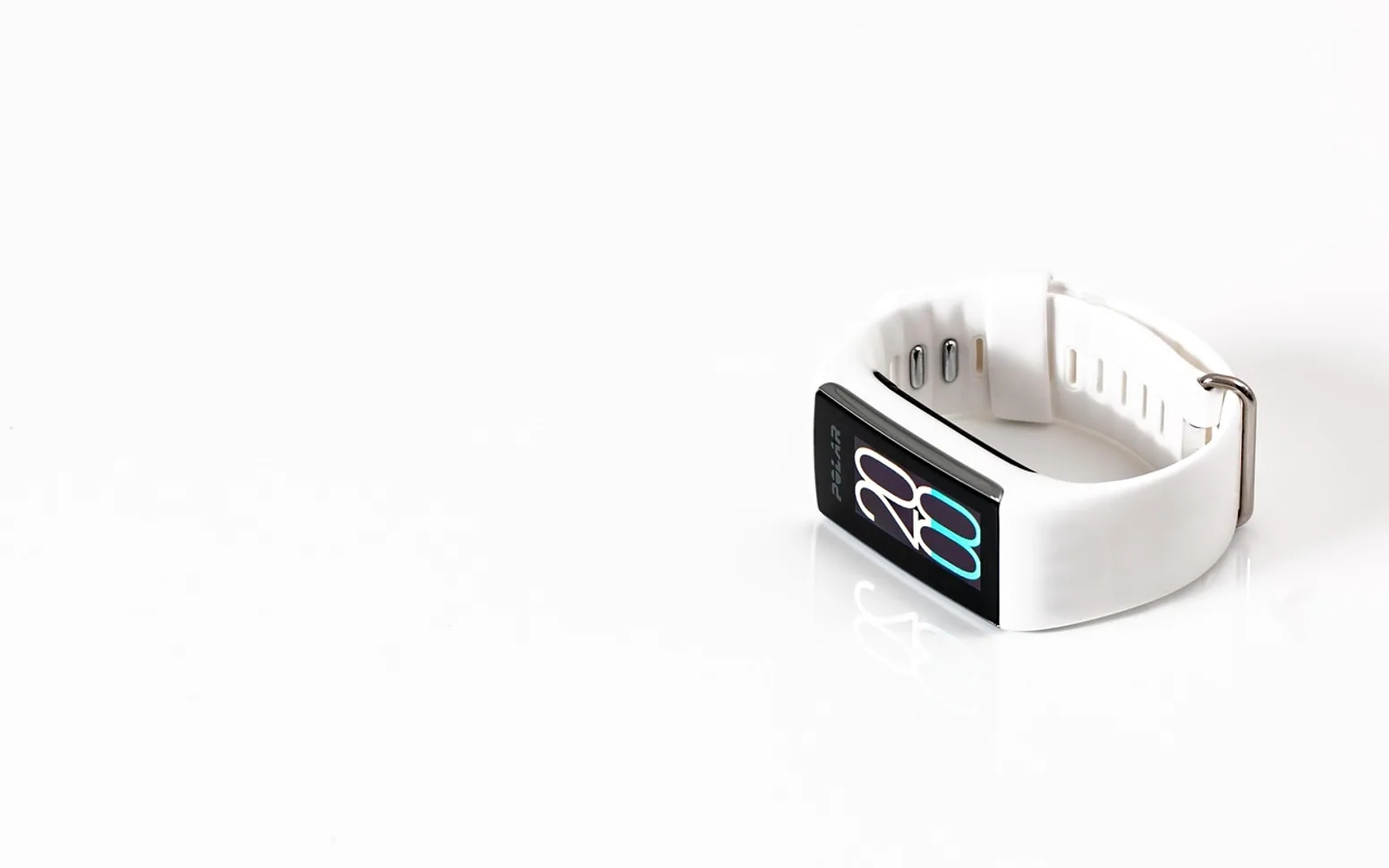
A yearly check-up captures a single moment. Blood pressure measured on a rushed morning, a weight reading after a holiday, a pulse taken while worrying about the waiting room: each number is real, but on its own it says little about the direction someone's health is moving. Self-service health kiosks aim to fill the long gaps between appointments with more frequent, easy measurements that people can follow over time.
A quick stop instead of a scheduled visit
Kiosks of this kind are designed for places people already pass through: pharmacies, workplace wellness rooms, clinic lobbies and community centres. A user steps up, follows on-screen prompts and completes a series of routine measurements in a few minutes. Typical readings include height, weight, body mass index, temperature, pulse, blood oxygen and blood pressure, with some models adding body composition estimates.
The Lifeprobes Kiosk follows this approach and pairs the station with CCS Cloud, a connected platform where each session is stored in the user's own record. The appeal is convenience: measurements become a habit that fits into a lunch break or a prescription pickup rather than a separate trip.
Why the trend matters more than the snapshot
Single readings fluctuate for many harmless reasons, from caffeine to a brisk walk up the stairs. Patterns over weeks and months are more informative. A cloud dashboard that charts blood pressure, resting heart rate or weight across many visits lets people see whether things are steady, gradually changing or jumping around.
That view can change the conversation in the consulting room. Instead of saying "I think my blood pressure has been fine", a patient can bring a printed or shared history and ask specific questions. The doctor still decides what the numbers mean and whether further tests are needed; the kiosk simply provides more context.
Privacy and data handling
Health information is among the most sensitive data a person has, so the way it travels and is stored deserves attention. Questions worth asking about any kiosk and cloud system include:
- Is data encrypted between the device and the server?
- Does anything remain stored on the kiosk itself after a session?
- Who can view the record, and can the user control sharing with clinicians?
- Is multi-factor sign-in available for the personal account?
- How long is information kept, and can it be deleted on request?
Clear answers to these points help users and organisations trust the system enough to use it regularly.
Using kiosk results sensibly
Self-service measurements are a support for health awareness, not a diagnosis. Readings can be affected by posture, cuff fit, recent exercise or how long someone has been sitting. A result that looks unusual is a reason to repeat the measurement or speak with a doctor or pharmacist, not a cause for panic, and a normal result does not rule out a problem if symptoms are present. Anyone with chest pain, breathing difficulty or other urgent symptoms should seek medical care immediately rather than rely on a kiosk.
Who benefits
Employers running wellness programmes, community health projects and busy primary care practices all have reasons to explore regular, low-effort monitoring. For individuals, the biggest gain may be motivation. Seeing a personal trend line move in a good direction after changes in diet, sleep or activity can encourage people to keep going, and to stay in closer contact with the professionals who look after their care.
Worth a second look
 EducationHTML vs CSS: What Each One Does on a Web Page4 min
 Real EstateMortgages in Australia Explained: Complete Breakdown for First-Time Homebuyers3 min
 NewsPlanning a Day Trip from Boston: Best Nearby Cities and How to Build an Efficient Route3 min
 EducationWhat Is Pseudocode? How to Write It, With Simple Examples4 min