EducationGadgetsInnovationNews2 min read
Become a computer programmer
Practical advice for becoming a programmer: picking a first language, practising daily, writing code by hand and staying patient with your progress.
Updated
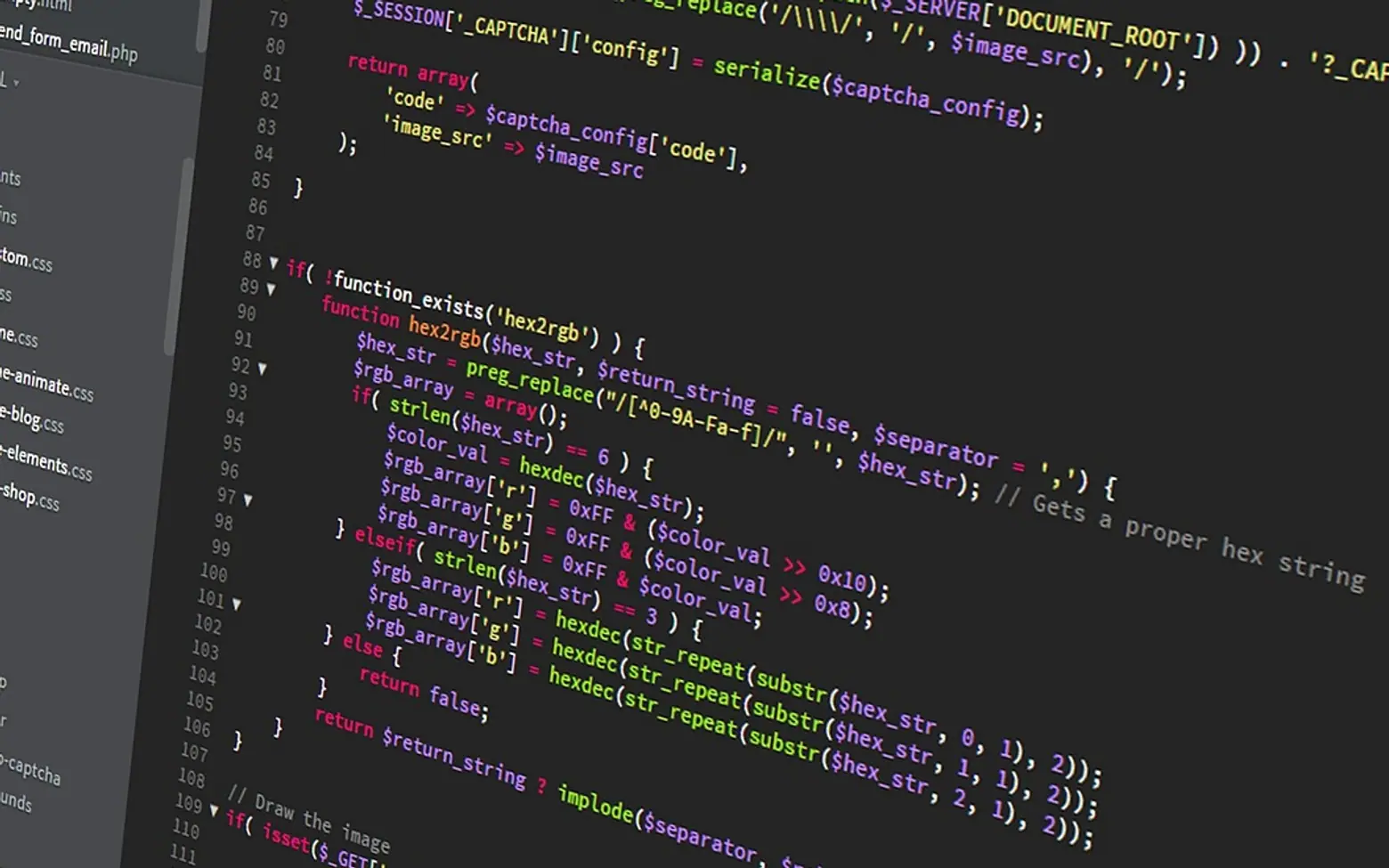
Programming attracts people for different reasons. Some want flexible hours or remote work, others enjoy solving puzzles, and many simply see how much of daily life now runs on software and want to understand it. Demand for people who can write code, build websites and maintain applications reaches into almost every industry. The harder question is how to learn in a way that actually sticks.
Treat it like learning a spoken language
A programming language has vocabulary, grammar and idioms, and fluency comes from use rather than from reading about it. Short, frequent sessions tend to work better than occasional marathons. Writing a little code most days keeps syntax fresh and lets ideas build on each other. Over time, patterns that once needed a reference become automatic, the same way common phrases do in French or Spanish.
Choose one beginner-friendly language and stay with it long enough to finish a few small projects. Jumping between languages in the first months mostly teaches you how to install new tools.
Do the work by hand at first
Modern editors complete words, fix indentation and suggest entire functions. These features are wonderful later, but early on they can hide what you do not yet understand. Writing code in a plain text editor forces you to remember structure, type every bracket and read error messages carefully. When something breaks, you have to find the faulty line yourself, and that detective work is where much of the learning happens.
- Type out examples instead of copying and pasting them.
- Run code often, after each small change.
- Read error messages slowly; they usually say more than they first appear to.
- Once a concept is clear, switch on helpful tools and enjoy the speed.
Build small things that you care about
Exercises teach syntax, but projects teach programming. A to-do list, a tip calculator, a page that shows the weather or a script that renames your holiday photos all involve planning, breaking a problem into steps and fixing mistakes. Projects connected to your own hobbies are easier to finish because you want the result.
Keep your work in a public or private repository. Looking back at older code is a satisfying way to see progress, and a collection of finished projects is more convincing to future employers or clients than a list of courses.
Give yourself time
Everyone learns at a different pace, and comparing yourself with people who seem to pick things up overnight is discouraging and rarely accurate. There will be weeks where nothing clicks, followed by days where several ideas fall into place at once. Plateaus are normal.
Patience is easier with a community around you. Study groups, local meetups and online forums give you people to ask when you are stuck and, eventually, people you can help yourself. Explaining a concept to someone else is one of the surest ways to discover whether you really understand it. Steady practice, honest debugging and realistic expectations will carry a beginner much further than any shortcut.
Worth a second look
 EducationHTML vs CSS: What Each One Does on a Web Page4 min
 Real EstateMortgages in Australia Explained: Complete Breakdown for First-Time Homebuyers3 min
 NewsPlanning a Day Trip from Boston: Best Nearby Cities and How to Build an Efficient Route3 min
 EducationWhat Is Pseudocode? How to Write It, With Simple Examples4 min