Business2 min read
Behind the Scenes of Factoring: What Happens When You Sell an Invoice
What happens after a business sells an invoice: the checks a factor runs, how the advance and fees work, who collects payment and what to compare.
Updated
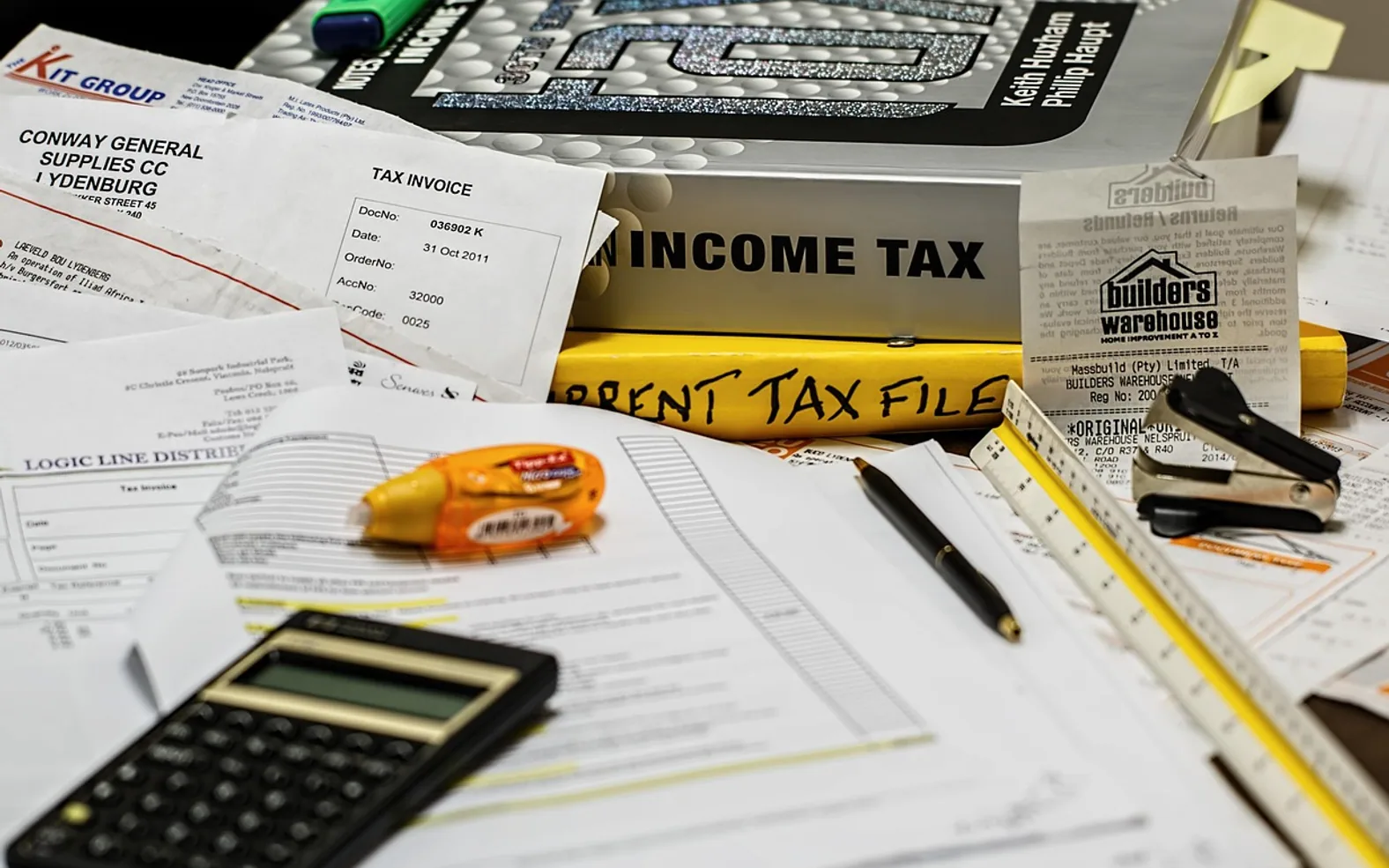
An invoice is a promise of money arriving later, and for many small companies "later" is the problem. Wages, rent and suppliers cannot always wait for a customer's payment terms to run out. This is the gap that factoring is designed to close, turning that promise into cash now: a business sells unpaid invoices to a specialist company, the factor, which pays most of the value upfront and collects from the customer when the invoice falls due.
Who uses it and why
The arrangement suits firms that have reliable customers but uneven cash flow. A wholesaler buying stock ahead of a busy season, a manufacturer paying for raw materials before a large order ships, or an agency covering payroll while a corporate client works through a long approval chain are typical examples. Unlike a traditional loan, the decision leans heavily on how creditworthy the customers are, which can make factoring accessible to younger companies with limited borrowing history.
The sequence from application to final payment
- Application. The business shares details of the invoices it wants to sell, the customers involved and its own financial position.
- Checks. The factor reviews the seller, but focuses even more on the customers, because they are the ones who will eventually pay. Credit history, payment behaviour and any disputes all count.
- Verification. Invoices are confirmed as genuine and accurate, sometimes by contacting the customer directly to make sure the goods or services were delivered as described.
- Agreement. A contract sets out the advance rate, the fees, how long the arrangement lasts and what happens if a customer does not pay.
- Advance. Most of the invoice amount is transferred to the seller, often soon after approval.
- Collection. When the invoice falls due, the customer settles it with the factor on the normal terms. In many arrangements they are informed of this; in confidential versions the seller keeps handling contact.
- Settlement. After the money comes in, the seller receives what is left, less the agreed charges.
Recourse and other terms to understand
One detail shapes the whole deal: who carries the loss when a debtor defaults. With a recourse agreement, the seller has to buy back or swap out the unpaid invoice. With a non-recourse agreement, the factor takes on specified credit losses, usually in exchange for higher fees and stricter customer checks. Neither is automatically better; it depends on how much risk a business wants to keep.
- How fees are calculated, and whether they grow the longer an invoice stays unpaid.
- Minimum volumes or contract periods.
- Whether you can choose which invoices to sell or must include all of them.
- How the factor communicates with your customers, since that relationship is yours to protect.
Weighing it up
Factoring can steady cash flow and free up time spent chasing payments, but it costs money and reduces the margin on every invoice sold. It tends to serve a company best when planned in advance, not reached for in a panic. Compare several providers, read the contract in full and, because terms and obligations vary widely, get independent advice from an accountant or financial adviser before signing an agreement that will shape how your company is paid.
Worth a second look
 EducationHTML vs CSS: What Each One Does on a Web Page4 min
 Real EstateMortgages in Australia Explained: Complete Breakdown for First-Time Homebuyers3 min
 NewsPlanning a Day Trip from Boston: Best Nearby Cities and How to Build an Efficient Route3 min
 EducationWhat Is Pseudocode? How to Write It, With Simple Examples4 min