Apps2 min read
The Creative Freedom of Using SVG Editing Software Online
Browser-based vector editors let designers, marketers and developers tweak logos, icons and illustrations anywhere. Why SVG and online tools pair so well.
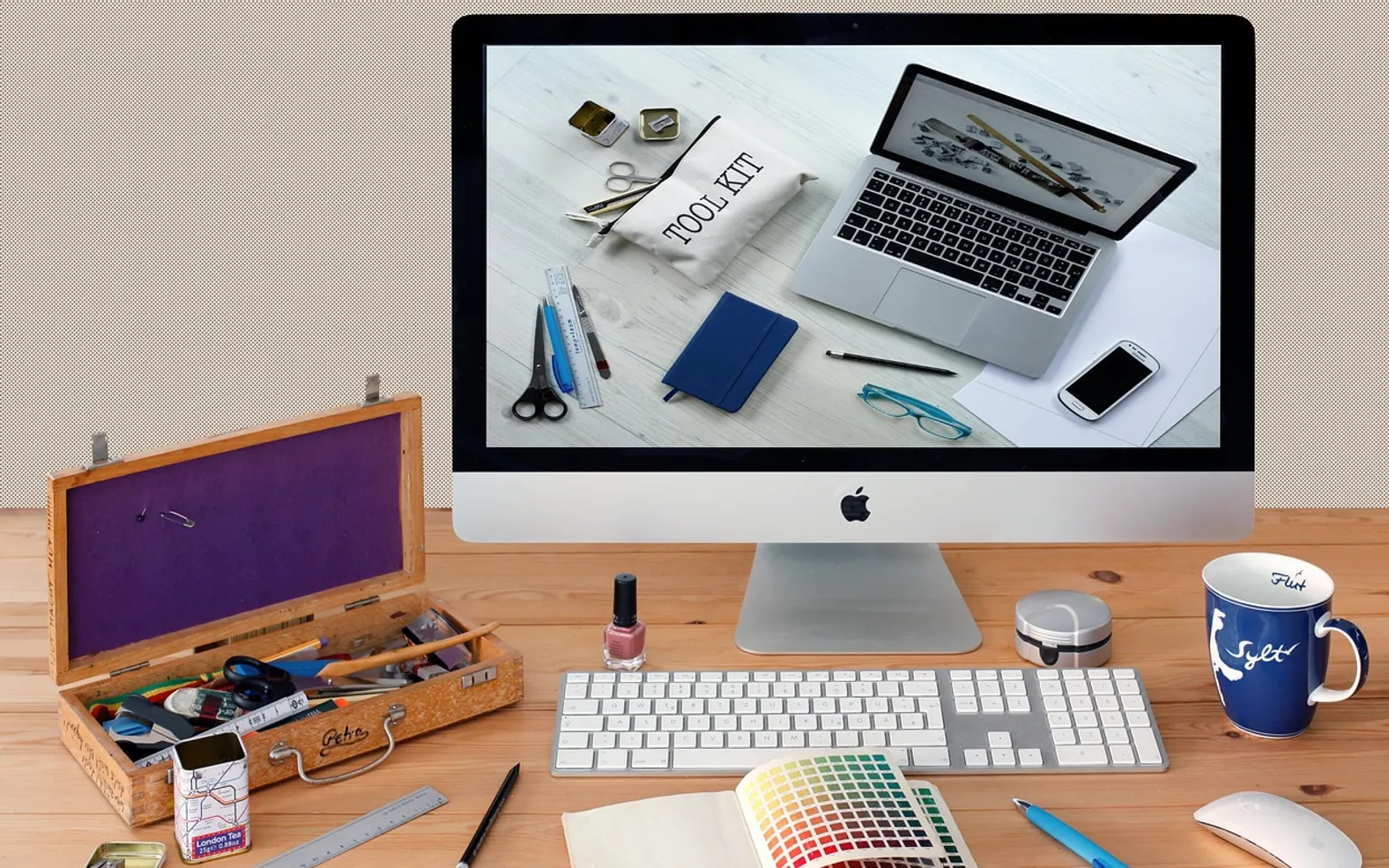
Picture a company emblem staying razor sharp on a smartwatch, a slide deck and a trade-show banner, all without anyone redrawing it: that is the quiet promise of vector graphics. Pair the format with an editor that runs in the browser and much of everyday design work stops depending on one particular computer or one particular person.
Why vectors behave differently
An SVG file stores lines, curves and fills as mathematical instructions instead of a fixed pixel grid. Stretch a JPG or PNG and it turns soft and blocky; stretch an SVG and the edges stay sharp, because the image is redrawn at the new size. The files are usually small, can be styled with CSS and animated with code, and remain readable as text, which developers appreciate when they need to change a colour or strip out an unused element.
For brands, that translates into consistency. One master file can serve the website header, a favicon, social graphics and print material.
The browser as a studio
Installed design suites are powerful, but they tie work to licensed machines. Online editors remove that barrier. Someone can open a file at the office, adjust it at home and export a final version from a laptop at a client meeting. Ideas move from rough sketch to usable asset with fewer steps in between.
That accessibility is especially welcome on mixed teams. A product manager might need an icon in a new colour, a developer might want to tidy an exported path, a founder might want a simplified logo for a pitch deck. Reaching for svg editing software in the browser lets each of them make those small changes directly, which saves a chain of request emails and gives non-designers the confidence to contribute.
Room to experiment
When opening a tool takes seconds, trying something new feels cheap. Designers can duplicate a shape, test three colour palettes, adjust stroke widths and compare layouts side by side without worrying about damaging the original. Typical tasks that benefit include:
- Building icon sets with matching line weights
- Creating logo variants for dark and light backgrounds
- Simplifying illustrations so they load quickly on mobile
- Preparing cut files for vinyl, laser or embroidery projects
Keeping quality under control
Freedom works best with a few habits. Name layers clearly, keep a master file separate from exported variants and check the output in an actual browser before publishing. Removing hidden objects and unnecessary metadata keeps file sizes down. If several people edit the same asset, agree on where the current version lives so nobody works from an outdated copy.
Creativity without bottlenecks
Online vector editing does not replace skill or taste. What it removes is friction: the waiting, the software installs, the single workstation holding every source file. With that out of the way, more time goes into the part that matters, which is shaping an idea until it looks right everywhere it appears.
Worth a second look
 EducationHTML vs CSS: What Each One Does on a Web Page4 min
 Real EstateMortgages in Australia Explained: Complete Breakdown for First-Time Homebuyers3 min
 NewsPlanning a Day Trip from Boston: Best Nearby Cities and How to Build an Efficient Route3 min
 EducationWhat Is Pseudocode? How to Write It, With Simple Examples4 min