Gadgets2 min read
Best Ear Plugs for Music Festivals and Musicians
Which kinds of ear plugs suit festival crowds, gigging musicians and rehearsal rooms, how high-fidelity filters differ from foam, and tips for comfort and fit.
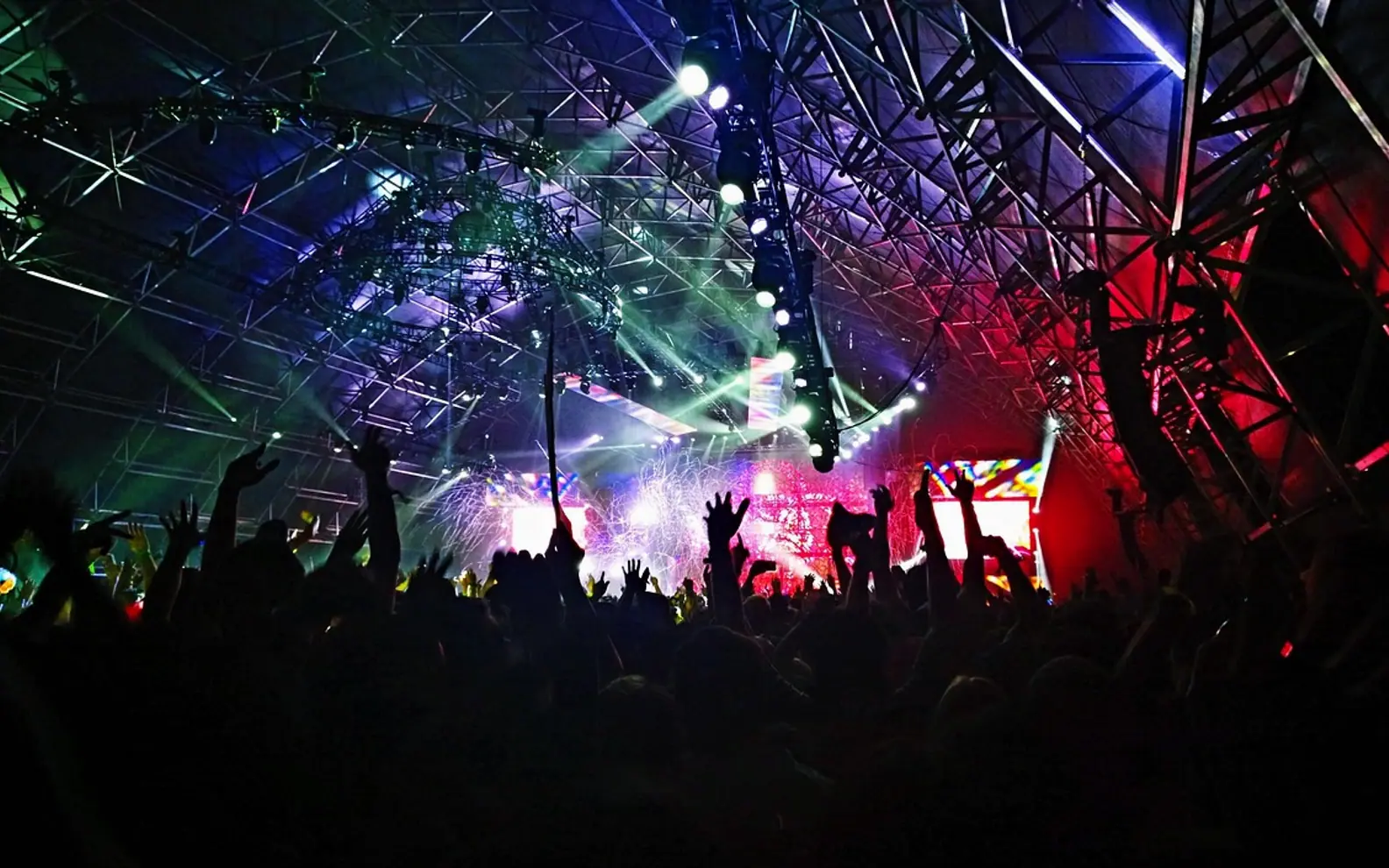
The ringing after a long night near the speakers usually fades by morning, which makes it easy to shrug off. Hearing is not something that can simply be replaced, though, and regular exposure to loud stages adds up. The good news is that modern ear plugs no longer turn a headline set into a muffled thud. Picking the right type lets fans and performers keep the detail of the music while taking the harsh edge off the volume.
Foam, filtered or custom: the main options
| Type | How it sounds | Best for |
|---|---|---|
| Disposable foam | Strong reduction, noticeably dull | Backup pair, sleeping at a campsite |
| High-fidelity filtered | Lower volume with balanced tone | Concerts, festivals, club nights |
| Interchangeable filters | Adjustable from light to heavy | People moving between quiet and loud zones |
| Custom-moulded | Even reduction, very comfortable | Working musicians, sound engineers |
For most festival-goers, reusable high-fidelity plugs are the sweet spot. They use a small acoustic filter that lowers sound across the frequency range more evenly than foam, so vocals and cymbals still sound like themselves. Many come in a small case that clips onto keys, which makes them far more likely to be in your pocket when you need them. To compare current models, filters and fit options in one place, the best earplugs resource is a handy starting point.
What musicians should think about
Players spend more hours near loud sound than audiences do: rehearsals, soundchecks, gigs and studio sessions. They also need to hear their own instrument and bandmates clearly to stay in time and in tune. That is why many drummers, guitarists and touring crew choose custom-moulded plugs with swappable filters, made from an impression of the ear canal by a hearing care professional. They cost more than off-the-shelf options but tend to seal better and stay comfortable through a long set.
Some performers prefer kits with two filter strengths, using lighter ones for acoustic rehearsals and heavier ones on loud stages or near the drum riser.
Getting the fit right
- Try plugs at home before an event so you know how they feel and how to insert them.
- Gently pull the top of your ear upward and back while inserting to straighten the canal.
- Check the seal: your own voice should sound slightly fuller once they are in.
- If a size feels painful or keeps working loose, swap the tips rather than tolerating it.
- Clean reusable plugs regularly and keep them in their case between uses.
Looking after your hearing beyond the plugs
Plugs work best alongside a few simple habits. Stand a little further from the speaker stacks, take quiet breaks between sets and give your ears a calmer day after a loud weekend. If ringing, muffled hearing or discomfort lasts more than a short while, or keeps coming back, book an appointment with a doctor or an audiologist rather than waiting for it to settle. A small case of good ear plugs is a modest habit that helps keep live music enjoyable for years.
Worth a second look
 EducationHTML vs CSS: What Each One Does on a Web Page4 min
 Real EstateMortgages in Australia Explained: Complete Breakdown for First-Time Homebuyers3 min
 NewsPlanning a Day Trip from Boston: Best Nearby Cities and How to Build an Efficient Route3 min
 EducationWhat Is Pseudocode? How to Write It, With Simple Examples4 min