Business5 min read
TV Screens in Spanish Bars and Cafés: What Owners Should Consider
Where to put a TV in a Spanish bar or café, how loud to run it, which viewing licence covers customers, keeping the stream stable and using idle screens well.
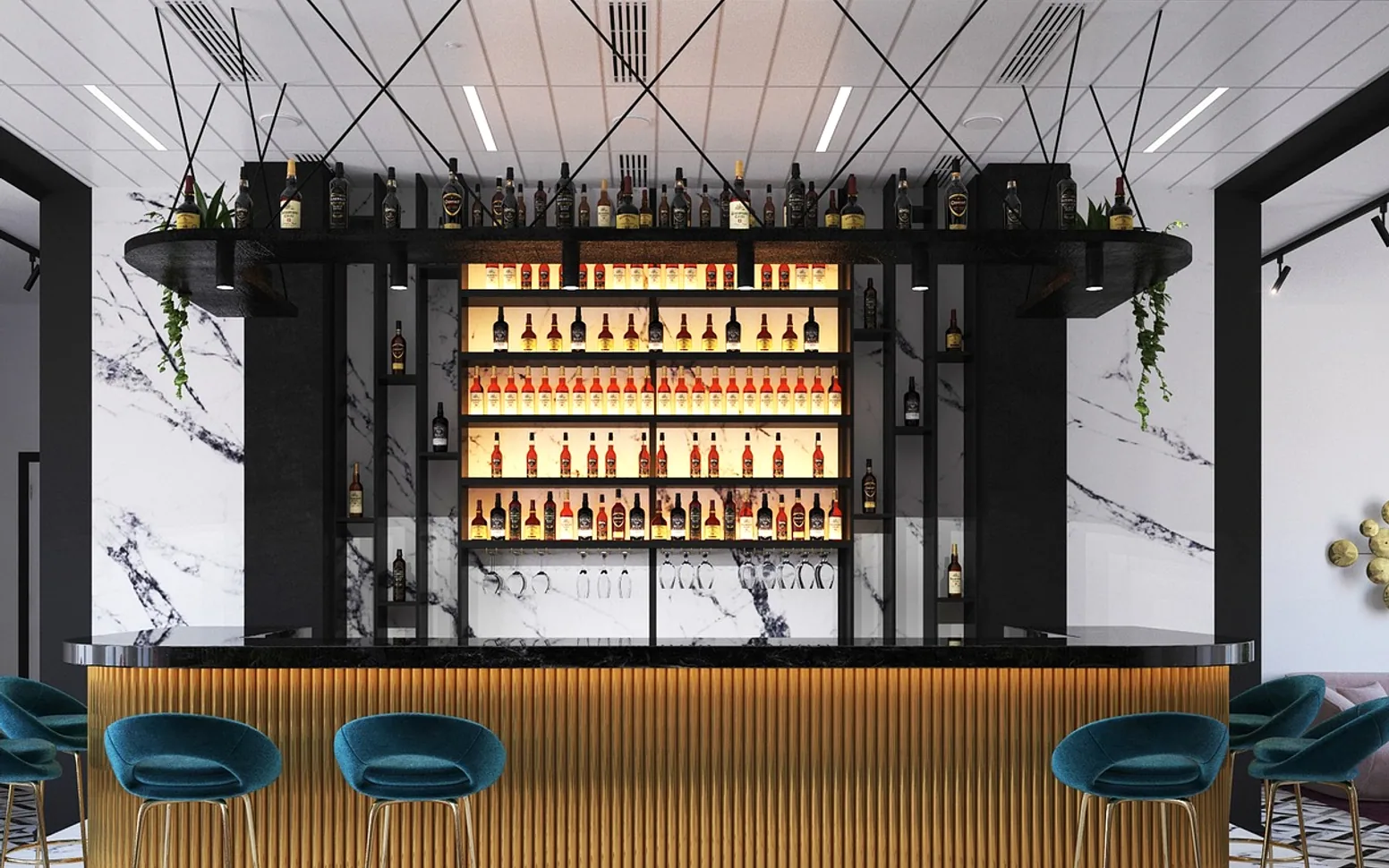
A television in a Spanish bar, café or restaurant can bring people in on a big match night and keep them company over a quiet afternoon coffee, but it only helps the business if it is planned. The main points to settle are where the screen goes so it serves guests without dominating the room, how loud it should be, which kind of viewing licence covers showing broadcasts to customers, how the picture reaches the screen reliably, and what the screen does when nothing worth watching is on.
Start with the guests you already have
Before choosing a size or a mounting spot, think about who sits in the room at different times of day. A café that fills with people reading or working at breakfast has different needs from a tapas bar that gets busy after nine in the evening. A screen that suits one crowd can irritate the other, so many owners decide on its role first: background company, a draw for specific events, or a mix of the two with clear rules about when the sound goes on.
Some customers choose a place precisely because it has no television, so ask regulars before trading them for an occasional match crowd.
Where the screen should go
Placement decides most of the experience. A few general principles apply in most rooms:
- Sightlines from seats, not from the door. Check the view from the tables and bar stools where people actually sit for a while.
- Away from the service path. Staff carrying trays should not have to squeeze past a cluster of standing viewers.
- Glare and daylight. Large windows and terrace doors are common in Spanish venues, and a screen facing them can be unreadable on a sunny afternoon.
- A quiet corner left over. In a larger room, keeping one area out of view of any screen gives guests who want conversation somewhere to go.
- Safe mounting. Use a bracket rated for the weight and a solid wall, and keep cables out of reach of guests and away from wet areas behind the bar.
Terraces deserve extra thought. Outdoor screens face weather, heat and local rules on noise and on what can be placed in a public space, so check with the town hall before planning anything outside.
Sound levels and the people around you
Volume is where screens most often cause friction, with customers and with neighbours. For everyday use, many venues leave the sound off and turn captions on; the guide to setting up subtitles and audio language options explains where those settings usually sit on TVs and set-top boxes. On event nights, a moderate level that lets fans follow the commentary without drowning out the next table is usually the target. Many Spanish towns also have rules on noise and opening hours, particularly for venues on residential streets, and doors left open onto a terrace carry sound much further.
Licences for showing TV to customers
This is the part owners most often get wrong. A subscription bought for a home is normally licensed for private viewing only. Showing broadcasts to customers in a business, especially live sport, usually requires a commercial or public-showing agreement with the provider, and the conditions depend on the content and sometimes on the size of the venue.
The safe approach is simple: use a properly licensed service, read the provider's terms for business use, ask the provider directly if your venue is covered, and check local rules on public showing with the town hall or a trade association.
Can a bar use a regular home TV subscription?
In most cases, no. Home packages are generally limited to private use, so a venue should ask the provider for a business option and confirm in writing what it allows.
A connection that does not drop at the wrong moment
More venues now receive television over their broadband line rather than through an aerial or dish, and in Spain many bars and cafés get their channels through IPTV delivered over a fibre connection. That works well when the network is set up for it. A few habits make it more dependable:
- Connect the main screen's box or TV with an Ethernet cable rather than relying on Wi-Fi.
- Keep guest Wi-Fi on a separate network so a crowd of phones does not compete with the match stream.
- Make sure the card terminal and till keep working on a busy night, ideally on their own connection or a tested backup.
- Restart and update equipment on a quiet morning, never an hour before kick-off.
What the screen does when nothing is on
A blank or idle screen is wasted space. Many owners switch it to a simple rotating display between events: today's menu, the lunch set, opening hours, upcoming match nights or a short welcome message. The ideas in the piece on marketing a business with digital signage displays carry over well to a bar screen in its downtime. Keep slides short, readable from the far side of the room and up to date; an old menu with last season's prices does more harm than no screen at all.
Match nights as a business draw
Big games can fill a room, but they bring their own planning. A short checklist:
| Area | What to plan |
|---|---|
| Bookings | Decide whether to take reservations or work on a first-come basis, and say so clearly. |
| Staffing | Add hands for the busy window before and after the game, not only during it. |
| Menu | A shorter list of dishes that come out quickly keeps the kitchen ahead. |
| Atmosphere | Agree house rules on noise and behaviour in advance, and brief staff on them. |
Promote events honestly. Only advertise games you are licensed to show, and avoid promising a match before the listing is confirmed.
Is a bigger screen always better?
Not necessarily. Two medium screens placed for different parts of the room often serve guests better than one large screen that only half the tables can see comfortably.
Keeping it in proportion
A screen is a tool, not the identity of the place. Owners who decide its purpose, keep the sound considerate, sort out the right licence and give it something useful to show between events tend to get the benefit without the complaints.
Worth a second look
 EducationHTML vs CSS: What Each One Does on a Web Page4 min
 Real EstateMortgages in Australia Explained: Complete Breakdown for First-Time Homebuyers3 min
 NewsPlanning a Day Trip from Boston: Best Nearby Cities and How to Build an Efficient Route3 min
 EducationWhat Is Pseudocode? How to Write It, With Simple Examples4 min