Entertainment2 min read
How IPTV Is Bringing a New Era of Digital TV to Spain
Why internet-delivered television suits Spanish viewing habits: late prime time, regional-language channels, football weekends and fast fibre in many homes.
Updated

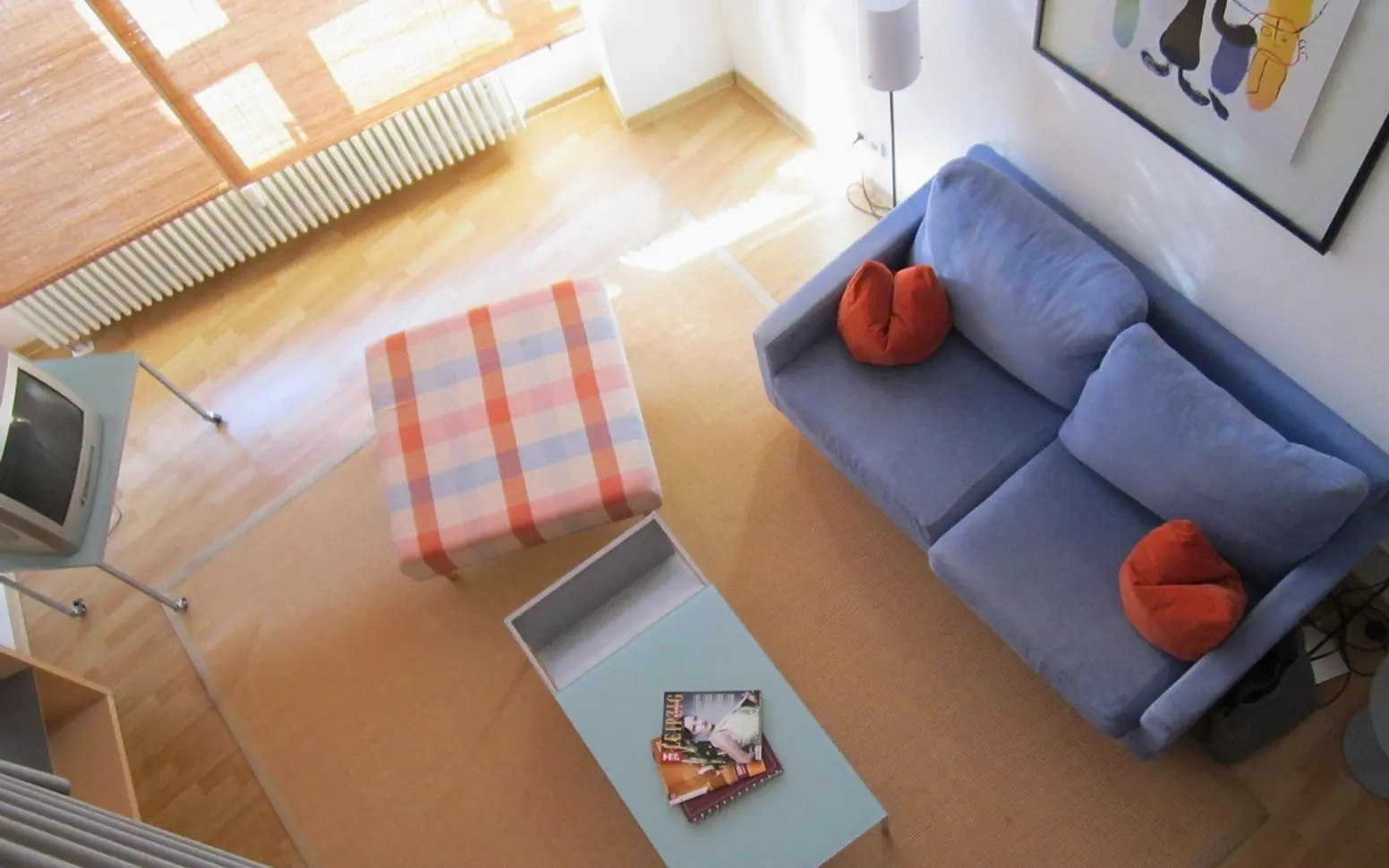
Spanish television has always had its own rhythm. Evening schedules run well past the hour when most European neighbours have switched off, football fixtures can shape an entire weekend, and many households switch between Castilian programming and channels in Catalan, Basque or Galician. A delivery model that adapts to the viewer rather than the schedule fits that pattern well, which goes some way to explaining why internet-based television has gained so much ground in Spanish homes.
From antenna and dish to the broadband line
For decades the choice was between terrestrial digital channels, satellite packages and cable where it was available. IPTV takes a different route: programmes travel as data over the household broadband line, the one that also handles messages and video calls, and a smart TV app, set-top box or phone turns that stream into a picture. Because each stream is requested on demand rather than sent to everyone at once, viewers can pause, rewind and choose shows from a library rather than hoping for a repeat.
Spain's widespread fibre coverage in towns and cities makes this practical. A stable connection is the main ingredient, and where it exists the experience can feel as dependable as a traditional tuner.
Where it fits Spanish habits
Late evenings and catch-up
When the main evening programmes begin late and run past midnight, recording or catching up the next day becomes normal. Replay windows and stored catalogues let viewers skip the late vigil for a series finale or a debate.
Regional and international choice
Households with roots in different regions, or in other countries, often want channels that a standard package does not prioritise. Internet delivery makes it easier to combine national networks with regional broadcasters and foreign-language news in one interface.
Matchdays on several screens
Football remains a shared event. Being able to follow a match on the living-room television while someone else watches a different programme on a tablet reduces the usual arguments over the remote.
What this change does to the market
Traditional operators have responded by building their own apps, bundling television with fibre and mobile contracts, and adding on-demand sections to their menus. Independent streaming services compete on interface design, device support and flexible plans. For viewers, more competition generally means more choice of packages and less pressure to sign long, rigid contracts.
Before switching
- Run a speed test during your own peak viewing hours, ideally on a weekend evening.
- Use a cable where possible for the main television; Wi-Fi works, but wired links are steadier for live sport.
- Check device compatibility with your television model and any older sets in bedrooms.
- Look for a trial or short first term so you can judge picture quality and the programme guide yourself.
- Pick a provider holding proper Spanish licences for its channels and sporting events; legitimate services are clear about what they offer and why.
Spain's appetite for live sport, late-night entertainment and regional programming makes it a natural market for television delivered over broadband. The technology is no longer a niche alternative but one of the standard ways households now put together their evening viewing.
Worth a second look
 EducationHTML vs CSS: What Each One Does on a Web Page4 min
 Real EstateMortgages in Australia Explained: Complete Breakdown for First-Time Homebuyers3 min
 NewsPlanning a Day Trip from Boston: Best Nearby Cities and How to Build an Efficient Route3 min
 EducationWhat Is Pseudocode? How to Write It, With Simple Examples4 min