Home2 min read
Disaster Recovery: Employing Container Rentals for Efficient Debris Removal
After floods or storms, debris piles up fast. How rental containers help with staged cleanup, separating hazardous waste and supporting volunteers.
Updated
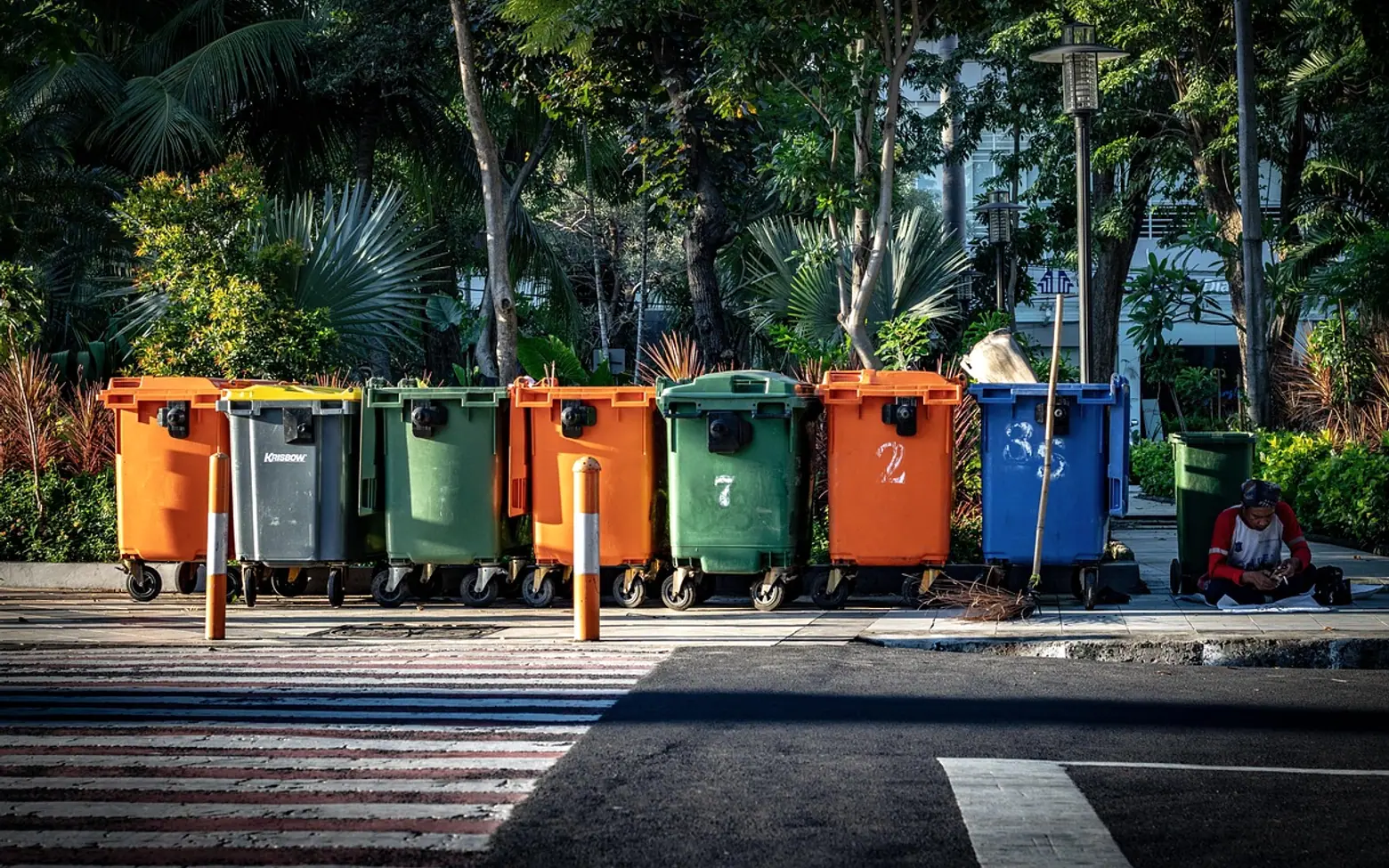
When floodwater recedes or a storm passes, the first sight in many streets is the debris: soaked carpets, broken furniture, fallen branches and pieces of buildings. Clearing it is not cosmetic. Debris blocks access for emergency vehicles, hides hazards and slows down repairs. Rental containers give households, contractors and local authorities a way to move that material quickly into a controlled place, which is often the first real step toward rebuilding.
Speed in the first days
In the immediate aftermath, people want to get damaged items out of their homes before mould sets in. Without containers, that material ends up on pavements and front gardens, where it can spread contamination or get scattered by wind. Container providers that can deliver at short notice give residents somewhere to put things straight away. Clear roads and driveways also make it easier for assessors, electricians and builders to reach properties.
Keeping different kinds of debris apart
Disaster waste is mixed by nature, but it should not all go in one place. Treating it in separate streams makes disposal safer and recycling possible:
- Green waste such as branches and uprooted shrubs, which can often be composted or chipped
- Building rubble like bricks, concrete and plaster
- Household contents including furniture, textiles and flooring
- Electrical items and appliances, which need specialist handling
- Hazardous materials such as paint, fuel, chemicals and anything possibly containing asbestos
Anything potentially hazardous should be left for trained crews and reported to local authorities rather than handled by volunteers.
Supporting neighbourhood cleanup
Official response teams cannot be everywhere at once. In many places, neighbours, community groups and volunteers do a large share of the early clearing work. Placing containers at a few central points in an affected area lets those groups work in an organised way, with clear instructions about what goes where. That shared effort can help a community feel it is taking back control after a frightening event.
The same logic applies to smaller incidents, such as a burst pipe or a fire in a single building. In the Rhine-Main region, for instance, property owners dealing with rubble after damage often look for Bauschutt entsorgen Hanau services, since a local company can bring a suitable container quickly and knows where each type of material can be taken.
Thinking about the environment while rebuilding
Sorting debris at the source means more of it can be reused. Clean rubble can become fill material, metals can be recycled and timber may be chipped. Providers that work with recycling facilities help reduce the amount sent to landfill. It is also worth keeping records of what was removed, as insurers or authorities may ask for them later.
Planning ahead
Councils, housing associations and businesses in areas prone to storms or flooding can include container logistics in their emergency plans: which providers to call, where containers could stand and how waste streams will be separated. Having that sorted in advance means the cleanup can begin within hours rather than days.
Worth a second look
 EducationHTML vs CSS: What Each One Does on a Web Page4 min
 Real EstateMortgages in Australia Explained: Complete Breakdown for First-Time Homebuyers3 min
 NewsPlanning a Day Trip from Boston: Best Nearby Cities and How to Build an Efficient Route3 min
 EducationWhat Is Pseudocode? How to Write It, With Simple Examples4 min