Business2 min read
Decoding the German Food Market: Insights for Collaborating with Food Distributors
What food producers should prepare before approaching German distributors: brand clarity, portfolio fit, labelling rules, digital channels and fair terms.
Updated
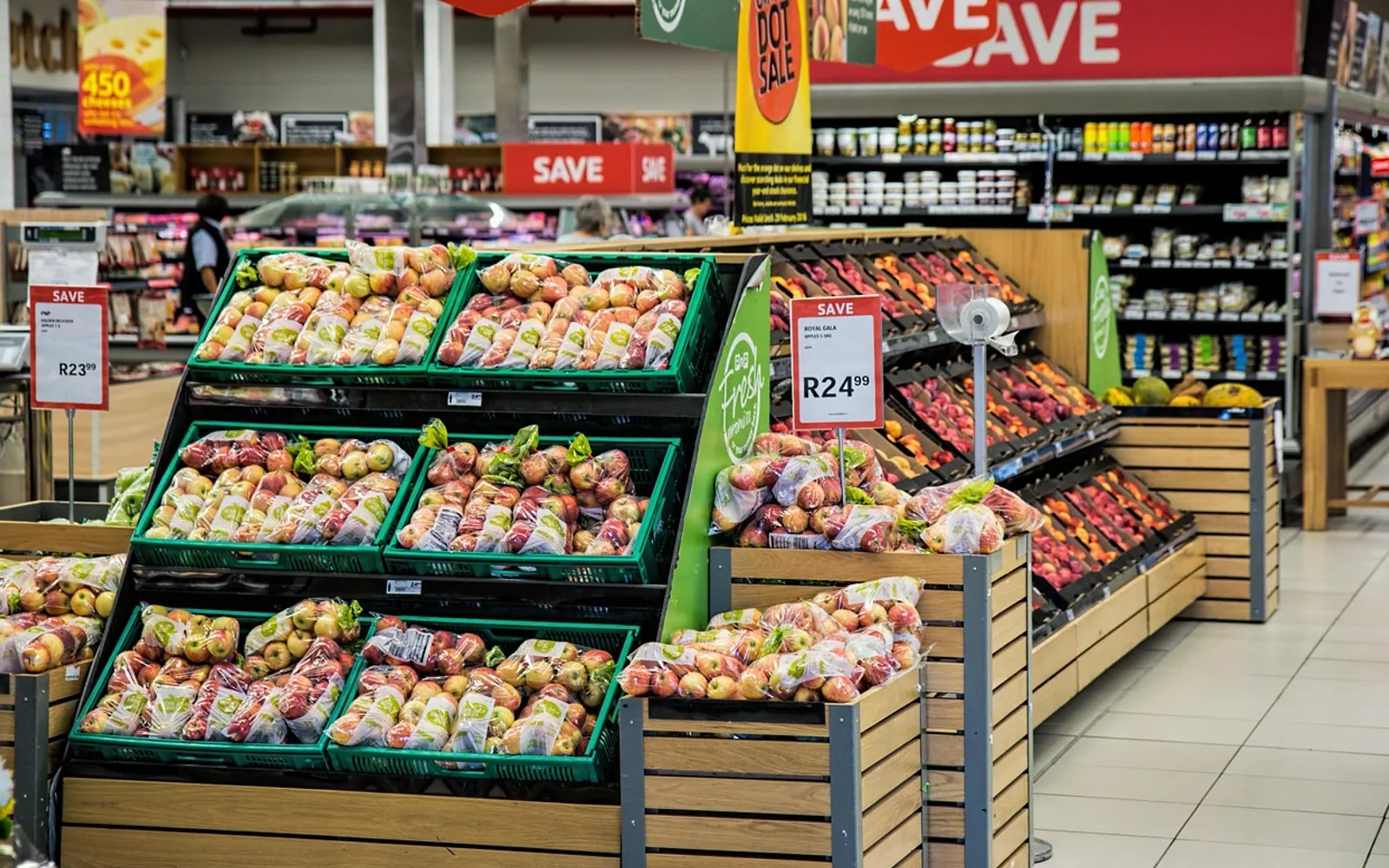
Germany is a large, demanding grocery market with strong regional habits and well-organised trade structures. For producers from abroad, or smaller domestic brands, a distributor is often the bridge between a good product and the shelves of retailers, caterers and specialist shops. Getting that partnership right takes preparation on both the product side and the relationship side.
Know exactly what you are offering
Distributors are approached by many brands. The ones that stand out can explain in a few sentences who the product is for, why it differs from what is already available, and how it fits a German shopping basket. That means having packaging, pricing logic and shelf-life information ready, along with a realistic idea of volumes you can supply reliably. A vague pitch tends to get a polite but non-committal answer.
Study the distributor's existing range
A partner's current portfolio tells you a lot. If they already carry several products very close to yours, your item may compete internally for attention. If they focus on a completely different category, they may lack the right customer contacts. The best fit is often a distributor whose range complements yours, serves the channels you want to reach and has a track record you can verify through references.
Specialist agencies can shorten this search. Producers looking for food distributors Germany can use services like this to identify partners whose channels and categories match their products, which saves a lot of cold outreach.
Take labelling and food safety seriously from day one
German and EU rules on ingredients, allergens, nutrition information, origin claims and language on the pack are detailed. Products that need relabelling after arrival cause delays and cost money for everyone involved. Many distributors will point out issues they see, but responsibility for compliance usually remains with the producer. It is worth checking requirements with a food law specialist or the relevant authority before the first shipment.
Build a relationship that works for both sides
Distributors invest time in listing a new product, presenting it to buyers and handling logistics. They are more motivated when the producer supports that work. Practical ways to do this include:
- Providing sales material, samples and product training for their team
- Agreeing on promotional plans and sharing costs where sensible
- Communicating early about recipe changes, supply problems or new launches
- Setting clear terms on payment, returns and minimum orders in writing
Watch the market and stay adaptable
Consumer interests in Germany shift over time, with ongoing attention to organic products, plant-based options, regional sourcing and packaging waste. Online grocery and B2B ordering platforms also change how distributors operate. Producers who listen to feedback from their partners and adjust ranges, pack sizes or pricing accordingly tend to stay listed longer. Treat the first year as a learning phase, review results together regularly and be open to changing course if a channel is not working.
Worth a second look
 EducationHTML vs CSS: What Each One Does on a Web Page4 min
 Real EstateMortgages in Australia Explained: Complete Breakdown for First-Time Homebuyers3 min
 NewsPlanning a Day Trip from Boston: Best Nearby Cities and How to Build an Efficient Route3 min
 EducationWhat Is Pseudocode? How to Write It, With Simple Examples4 min