Cars2 min read
California’s Auto Auction Scene: A Tale of Two Models
Public and dealer-only car auctions in California work very differently: who can bid at each, what vehicles turn up and how to prepare for sale day.
Updated
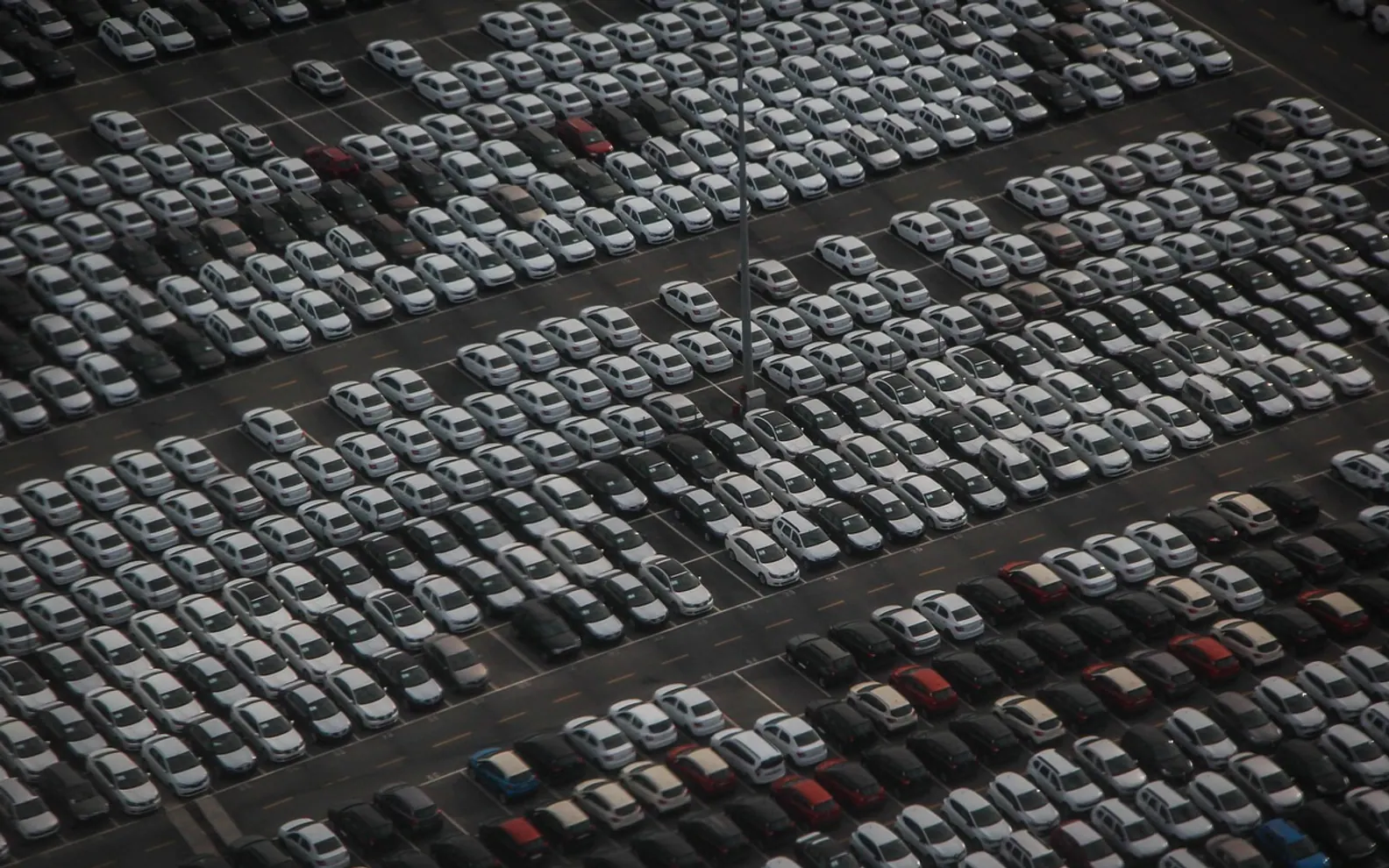
Car auctions in California range from busy weekend sales where anyone with a valid ID can raise a hand to trade events that only licensed dealers may enter. Both move large numbers of vehicles, yet they attract different buyers, follow different rules and suit different goals. Knowing which model fits your plans saves a wasted trip and helps you bid with more confidence.
The public auction model
Public sales welcome private buyers. Inventory is varied: older daily drivers, repossessed vehicles, retired fleet cars and government surplus can all appear in the same lane. That variety is the attraction. Patient buyers can find practical transport, a project car or an unusual model that rarely shows up on regular lots. A clear overview of upcoming auto auctions California residents can attend makes planning much easier, since sales are spread across the state and listings can usually be browsed before the day.
The trade-off is that information is sometimes thin. Vehicles are often sold as seen, and the buyer carries responsibility for judging condition.
The dealer-only model
Dealer auctions are closed to the public and require a valid dealer licence to register. Their lanes are filled with lease returns, trade-ins, rental fleet vehicles and manufacturer stock. Cars often come with condition reports and grading, and sales move quickly because bidders are professionals buying inventory to resell. Prices reflect wholesale market conditions rather than retail sticker values.
Side by side
| Aspect | Public auction | Dealer-only auction |
|---|---|---|
| Who can bid | Members of the public | Licensed dealers |
| Typical stock | Mixed: repos, surplus, older cars | Lease returns, trade-ins, fleet |
| Information | Varies, often limited | Condition reports common |
| Pace | Relaxed to moderate | Fast and high volume |
| Best suited to | Personal buyers, hobbyists | Resellers building inventory |
Preparing for sale day
- Study the listings early. Shortlist a few vehicles and check their history reports using the VIN.
- Arrive for the preview. Look at tyres, fluids, panel gaps and signs of flood or accident repair. Bring someone mechanically minded if you can.
- Know the fees. Buyer's premiums, documentation charges and taxes are added to the hammer price.
- Set a firm limit. Write down your maximum for each car and stop there, however lively the bidding gets.
- Plan the paperwork and transport. Find out how payment, title transfer, registration and collection work before you bid.
A used vehicle is a significant purchase, and auction cars usually come without the return options of a retail sale. If you are financing, check the loan terms before the auction rather than after. With research and a clear budget, either model can be a sensible way to buy, whether you are hunting for a family runabout or stocking a forecourt.
Worth a second look
 EducationHTML vs CSS: What Each One Does on a Web Page4 min
 Real EstateMortgages in Australia Explained: Complete Breakdown for First-Time Homebuyers3 min
 NewsPlanning a Day Trip from Boston: Best Nearby Cities and How to Build an Efficient Route3 min
 EducationWhat Is Pseudocode? How to Write It, With Simple Examples4 min