
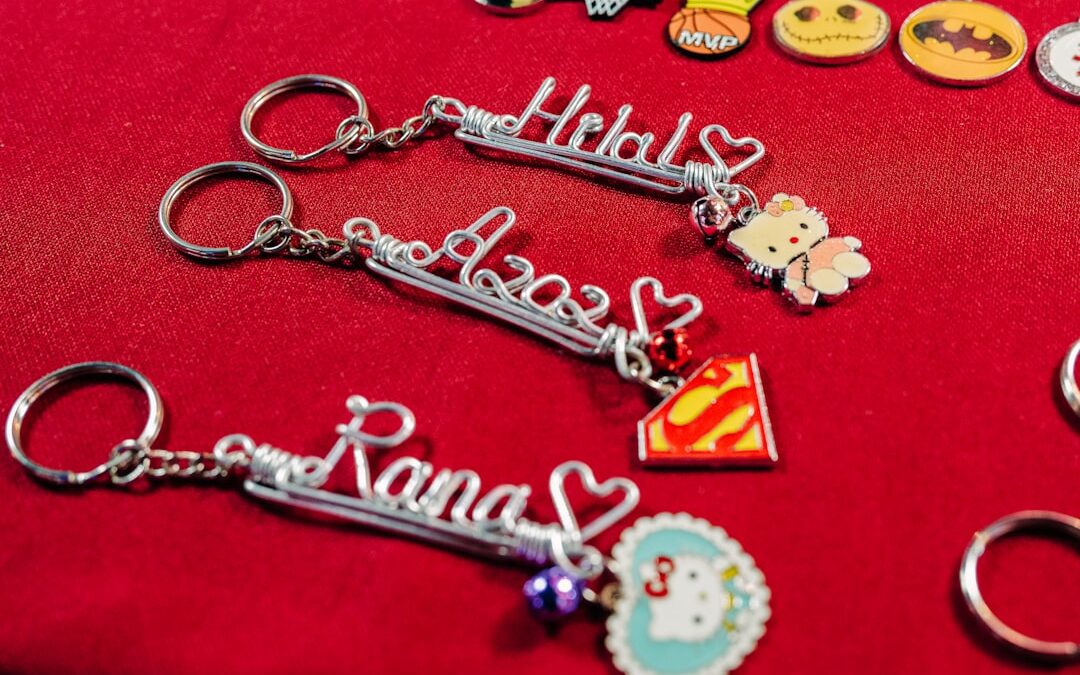
Custom acrylic keychains are small products with big creative potential. They can showcase original artwork, promote a brand, celebrate a favorite character, or become a memorable gift that people actually use. The reason they remain so popular is simple: acrylic is durable, lightweight, affordable, and highly customizable. When we approach the process with a clear plan, it becomes much easier to create keychains that look polished, feel premium, and reflect the design we had in mind from the start.
Whether the goal is to make acrylic keychains for a shop, a convention table, or a personal project, success usually comes down to four things: strong design choices, the right file setup, thoughtful finishes, and careful quality checks. By focusing on those essentials, anyone can turn a simple idea into a custom acrylic keychain they will truly love.
Start With a Clear Vision for the Design
The best acrylic keychains begin with a design that suits the format. Because keychains are compact, every detail needs to work at a small size. Clean linework, readable text, and a strong silhouette tend to perform better than overly complicated art. If the piece includes a character, logo, or quote, it helps to identify the single visual element that should stand out first.
Color also matters more than many people expect. Bright, high-contrast palettes often reproduce well on acrylic, while subtle shading can be beautiful when prepared correctly. We should think about how the design will look once it is printed, cut, and held in the hand instead of only how it appears on a large screen.
Before moving to production, it is smart to ask a few basic questions:
- Who is the keychain for? A customer, a fan community, friends, or event attendees?
- What shape fits the artwork best? Circle, rectangle, custom die-cut, or layered form?
- What mood should it have? Cute, elegant, minimal, playful, or bold?
- How will it be used? On keys, bags, backpacks, or as collectible merchandise?
Answering those questions early helps guide every later decision, from sizing to finish options. When the concept is clear, the final product usually feels more cohesive and professional.
Prepare Artwork the Right Way
Once the concept is set, artwork preparation becomes the foundation of a good result. Custom acrylic keychains often look simple, but production quality depends heavily on the print file. High-resolution artwork is essential, especially if the design includes intricate details, layered color, or typography.
For a practical overview of file setup, printing methods, and finishing options, this guide on how to make acrylic keychains is a useful reference when planning a project from sketch to final product.
In most cases, we want to prepare artwork with the final cut line in mind. A custom shape should leave enough margin around the main design so important details are not too close to the edge. It is also important to consider the placement of the keychain hole. If the hole overlaps important visual elements, the piece can feel awkward or unbalanced.
Here are a few artwork principles that usually improve the final result:
- Use high resolution. Crisp files reduce the risk of blurry print output.
- Keep edges intentional. Clean outlines make die-cut shapes look sharper.
- Check color balance. Test whether the palette remains clear and vivid at a smaller size.
- Allow for bleed and cut space. This helps avoid accidental trimming of important artwork.
- Preview at actual size. A design that looks perfect on a monitor may feel crowded when printed small.
If the keychain includes text, readability should be tested carefully. Short phrases, names, or initials usually work better than dense wording. If the design is character-based, bold expressions and recognizable shapes often have more impact than tiny decorative details.
Choose Materials, Finishes, and Hardware Thoughtfully
One of the best parts of making custom acrylic keychains is the range of finishing options available. The material itself already offers a sleek, glossy appearance, but the final look can change significantly depending on the choices made during production.
Clear acrylic is the classic option because it gives artwork a bright, clean presentation. Epoxy finishes can add extra shine and a smoother feel, while double-sided printing allows for more creative flexibility. Some designs also benefit from special effects such as glitter, holographic film, or translucent areas, especially when the goal is to create merchandise that feels eye-catching and collectible.
Hardware matters too. A great print paired with cheap or mismatched hardware can weaken the overall impression. We should choose clasps and rings that match the style of the design and the way the keychain will be used. For example, a heart clasp may suit cute or romantic artwork, while a standard metal ring may be best for minimal branding.
When selecting finishes, it helps to think about the user experience:
- Glossy surfaces often feel vibrant and premium.
- Epoxy coating can add durability and a domed effect.
- Double-sided designs offer extra room for complementary art or branding.
- Special effects can make a design stand out in a crowded marketplace.
The right combination should support the artwork rather than distract from it. A simple design may benefit from a playful clasp or holographic effect, while a highly detailed illustration may look best with a more restrained finish.
Review Samples and Avoid Common Mistakes
Even strong designs can lose impact if common production mistakes are overlooked. One of the most effective ways to protect quality is to review a sample or digital proof carefully before committing to a larger run. A few minutes of checking can prevent expensive disappointments later.
The most frequent issues tend to include low-resolution art, cut lines placed too close to the design, colors that print darker than expected, and hardware positioned awkwardly. Another common problem is overdesigning. Because acrylic keychains are small, clutter can quickly reduce visual clarity.
We can avoid many of these issues by following a simple review process:
- Zoom in on the final file to inspect edges, text, and fine details.
- Print a paper mockup at actual size to judge readability and shape balance.
- Check the hole placement so it does not interfere with the core design.
- Confirm front and back orientation for double-sided pieces.
- Review finish choices to make sure they enhance the style rather than overwhelm it.
If the keychains are being made for sale, consistency is especially important. Customers notice when colors vary too much or when hardware feels flimsy. A reliable production setup, combined with careful file preparation, helps create a product that looks intentional and trustworthy.
Making custom acrylic keychains that we truly love is not about using the most complicated design or the flashiest effect. It is about aligning concept, artwork, material, and finish so the final piece feels complete. With a clear creative direction, properly prepared files, and thoughtful production choices, acrylic keychains can become durable, attractive keepsakes that people are proud to carry every day.
