
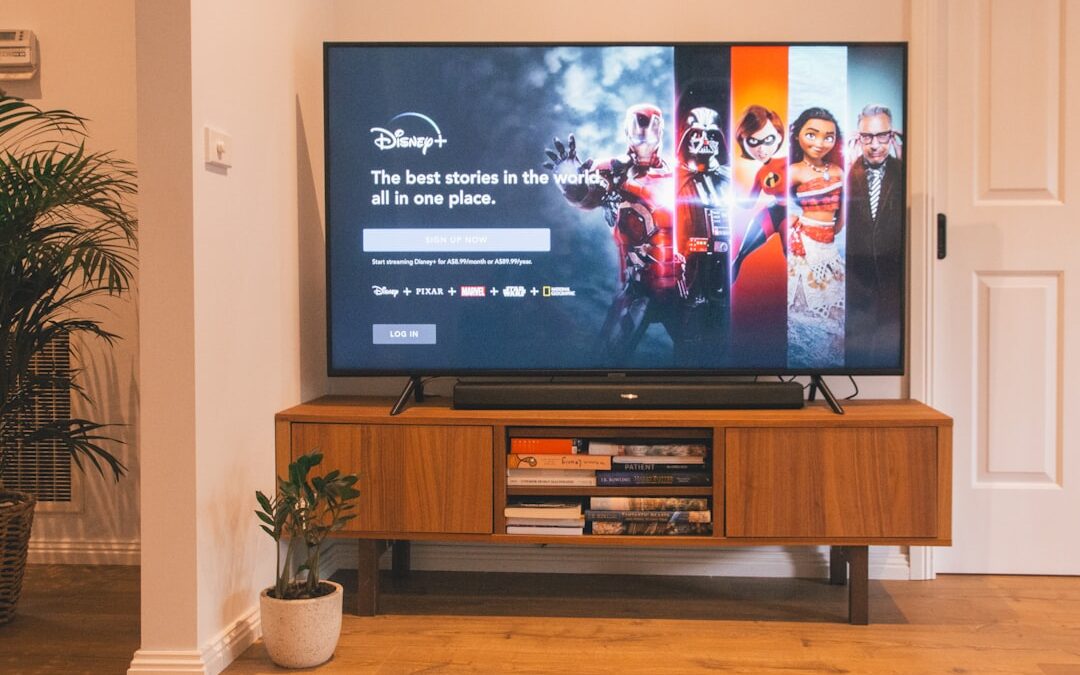
Television in France is no longer confined to traditional broadcast schedules, fixed cable boxes, or limited on-demand options. As consumer expectations shift toward flexibility, mobility, and higher picture quality, IPTV has emerged as one of the most important technologies shaping the future of home entertainment. Internet Protocol Television, better known as IPTV, delivers live channels, replay content, and video on demand through internet networks rather than conventional terrestrial, satellite, or cable systems. That shift may sound technical, but its impact is easy to see: smoother multi-screen viewing, smarter recommendations, and a more personalised TV experience. In a country with strong broadband infrastructure and a digitally engaged audience, IPTV is helping redefine what modern television looks like.
Why IPTV Is Reshaping Viewing Habits in France
French viewers increasingly want content on their own terms. They expect to start a film on a smart TV, continue it on a tablet, and catch live sports or news on a smartphone while away from home. IPTV supports this lifestyle because it is designed for connected, on-demand consumption. Instead of broadcasting the same fixed signal to everyone in the same way, IPTV can deliver content more dynamically, adapting to user preferences and device capabilities.
This flexibility matters in France, where households often combine live national channels, international content, regional programming, and premium entertainment in one viewing routine. IPTV makes it easier to bring these choices together within a single interface. It also improves discoverability, allowing users to browse by genre, language, actor, or recommendation rather than endlessly scrolling through linear channels.
Another major advantage is the quality of experience. With fast fibre connections expanding across the country, many users can now enjoy HD and 4K streaming with minimal buffering. For households evaluating the best way to modernise their setup, choosing a dependable abonnement IPTV can be an important step toward more seamless, connected entertainment. The appeal lies not only in channel access, but in the convenience of a platform that feels built for today’s digital habits.
How IPTV Technology Works Behind the Screen
At its core, IPTV uses internet protocol networks to transmit television content as data packets. This is different from old-style broadcasting, where channels are sent continuously to every viewer whether they are watching or not. With IPTV, the system can be more efficient and interactive, especially for on-demand content.
There are generally three main service types within IPTV ecosystems:
- Live TV: real-time streaming of broadcast channels over an internet connection.
- Time-shifted TV: catch-up and replay features that let users watch programmes after their scheduled broadcast.
- Video on demand: films, series, documentaries, and other content available whenever the viewer chooses.
To deliver these services smoothly, IPTV platforms rely on several technologies working together. Content delivery networks reduce latency by storing media closer to end users. Adaptive bitrate streaming automatically adjusts video quality based on available bandwidth, helping prevent interruptions. Middleware platforms manage menus, user accounts, billing, and content libraries. Meanwhile, compatible devices such as smart TVs, streaming boxes, mobile apps, and operator set-top boxes decode and present the content in a user-friendly format.
Security also plays a vital role. Legitimate IPTV systems use encryption, authentication, and digital rights management to protect licensed content and ensure only authorised users can access it. This is especially important in premium markets where sports rights, cinema releases, and exclusive series carry significant commercial value. In practice, viewers may only notice the polished interface, but behind that simplicity is a sophisticated infrastructure built to deliver reliability at scale.
Why France Is Well Positioned for the Next Generation of IPTV
France offers a particularly strong environment for IPTV growth. One reason is connectivity. The country has invested heavily in fibre deployment, and improved fixed broadband speeds give households the bandwidth required for stable high-resolution streaming. As more homes gain access to fast internet, IPTV becomes a practical mainstream option rather than a niche alternative.
Another factor is device adoption. French consumers are increasingly comfortable using connected televisions, media boxes, smartphones, and tablets as part of a single entertainment ecosystem. IPTV fits naturally into this environment because it is not tied to one screen. Whether viewers want family viewing in the living room or personal viewing on mobile, the same service can often support both.
The French media landscape also encourages innovation. Audiences expect a mix of domestic channels, international programming, premium sports, and on-demand libraries. IPTV can support this variety while adding modern features such as cloud recording, personalised watchlists, parental controls, and AI-driven recommendations. These enhancements help transform television from a passive stream into a responsive digital service.
Looking ahead, IPTV is likely to benefit further from developments in 5G connectivity, cloud infrastructure, and smart home integration. Better mobile performance will make viewing on the move even more practical. Cloud-based systems will improve scalability and user synchronisation across devices. Voice search and connected assistants may also become more central, allowing users to find programmes quickly without navigating complex menus. In this sense, IPTV is not simply replacing old delivery methods; it is laying the foundation for a broader entertainment ecosystem.
What Viewers Should Look For in an IPTV Experience
As the market evolves, not all IPTV experiences are equal. The best services combine technical performance with intuitive usability and legitimate content access. For viewers in France, several factors are especially worth considering when comparing options.
- Streaming stability: A quality IPTV platform should offer consistent playback, fast channel switching, and minimal buffering, especially during peak viewing hours.
- Content range: The ideal service should balance live channels, catch-up features, and on-demand libraries that reflect the viewer’s interests.
- Device compatibility: Support for smart TVs, phones, tablets, and streaming boxes makes the service more flexible for modern households.
- User interface: Clear navigation, responsive search, and well-organised categories improve the overall experience significantly.
- Picture quality: HD and 4K support can make a major difference, particularly for sports, films, and large-screen viewing.
- Legal reliability: Licensed, secure services protect both the provider and the end user while ensuring better long-term performance and support.
It is also wise to consider customer service and platform updates. IPTV is a technology-driven service, so regular improvements, bug fixes, and compatibility updates are essential. A provider that invests in performance and user support is more likely to deliver a dependable experience over time.
IPTV represents a major shift in how television is delivered, managed, and enjoyed in France. By combining internet-based delivery with features like on-demand access, multi-device viewing, adaptive streaming, and personalised interfaces, it aligns perfectly with the expectations of modern audiences. As broadband networks continue to improve and consumer demand for flexibility grows, IPTV is set to play an even bigger role in France’s next-generation TV landscape. For viewers, the real promise of IPTV is simple: more control, better quality, and a television experience built for the connected era.
